The Ultimate Guide to Healthy Eating: Everything You Need to Know
Introduction
In today’s fast-paced world, maintaining a healthy diet is more important than ever. With the abundance of processed foods and hectic schedules, making nutritious choices can seem overwhelming. However, fueling your body with the right foods can improve energy levels, mental clarity, skin health, and overall well-being.
This guide will walk you through essential tips for healthy eating, helping you make smarter food choices and cultivate a balanced lifestyle.
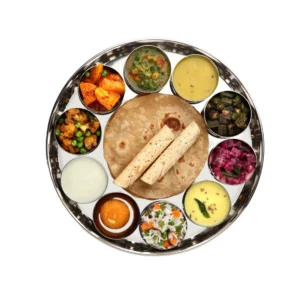
What Is Healthy Eating?
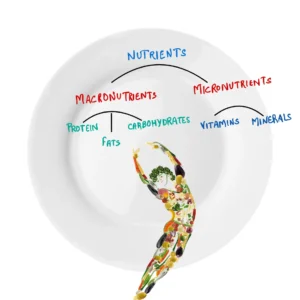
Healthy eating is about consuming a variety of nutrient-dense foods that provide your body with the essential elements it needs to function optimally. These include:
- Macronutrients: Carbohydrates, proteins, and healthy fats.
- Micronutrients: Essential vitamins and minerals.
- Hydration: Water, which plays a vital role in digestion, metabolism, and overall health.
A well-balanced diet ensures you receive the right mix of these nutrients while avoiding excessive amounts of added sugars, unhealthy fats, and sodium.
1. Fill Your Plate with Nutrient-Dense Foods
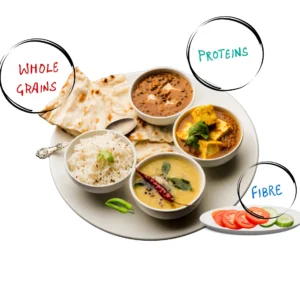
A variety of whole, unprocessed foods should be the foundation of your diet. Each food group has unique benefits:
- Fruits & Vegetables: High in fiber, antioxidants, and essential vitamins, they help strengthen the immune system and prevent chronic diseases.
- Whole Grains: Options like quinoa, brown rice, and oats provide long-lasting energy and improve digestive health.
- Proteins: Lean meats, fish, eggs, legumes, and plant-based proteins like tofu support muscle growth and repair.
- Healthy Fats: Avocados, nuts, seeds, and olive oil contribute to brain function and heart health.
2. Watch Your Portion Sizes
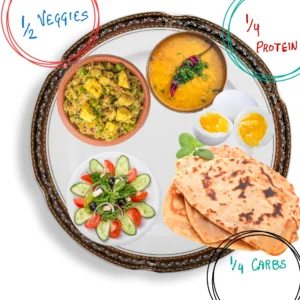
Even healthy foods can contribute to weight gain if eaten in excess. Here are some practical portion control tips:
- Use smaller plates to naturally reduce portion sizes.
- Listen to your body’s hunger cues instead of eating out of habit.
- Avoid eating directly from large packages to prevent overeating.
3. Stay Hydrated
Water plays a crucial role in digestion, detoxification, and body temperature regulation. Aim to drink at least eight glasses (2 liters) of water per day—more if you’re physically active or live in a hot climate.
Other hydrating options include:
- Herbal teas
- Infused water with fruits and herbs
- Coconut water (in moderation)

4. Reduce Processed Foods and Sugary Drinks

Processed foods often contain unhealthy fats, added sugars, and preservatives that can harm your health over time. Try to minimize:
- Sugary snacks and sodas
- Fast food and fried foods
- Packaged meals with artificial ingredients
Instead, choose whole, natural foods whenever possible.
5. Plan Your Meals in Advance
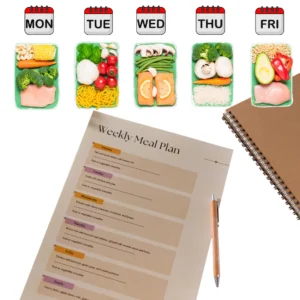
Meal planning is an excellent way to stay on track and make healthier food choices. Benefits include:
- Reducing last-minute unhealthy food choices
- Ensuring a well-balanced diet
- Saving time and reducing stress during busy weekdays
Consider preparing meals in bulk and storing them in portioned containers for easy access.
6. Practice Mindful Eating

Eating with awareness can significantly improve digestion and prevent overeating. Try these simple techniques:
- Chew slowly and savor each bite.
- Eliminate distractions like phones or TV while eating.
Stop eating when you feel satisfied, not overly full.
7. Listen to Your Body’s Signals
Everyone’s nutritional needs are unique. Pay attention to how different foods affect you:
- If a food makes you feel sluggish or bloated, consider reducing or eliminating it.
- If you feel energized and satisfied, incorporate more of that food into your diet.
Tuning in to your body’s cues helps you make healthier choices that support your overall well-being.
Conclusion:
Healthy eating isn’t about perfection—it’s about making gradual, sustainable changes that improve your well-being over time. By incorporating these habits into your daily routine, you’ll feel more energized, improve your health, and enjoy food in a whole new way.
Start small, stay consistent, and celebrate your progress along the way!