
Healthy Snacks for Weight Loss: 10 Guilt-Free Options to Keep You Full
Trying to lose weight doesn’t mean you have to give up on snacks! In fact, choosing the right snacks can help boost your metabolism, control cravings, and support steady weight loss—without ever leaving you hungry.
Whether you’re managing PCOS, diabetes, or simply looking to shed some extra weight, here are 10 healthy, satisfying snacks that will help you reach your goals without the guilt.

1. Greek Yogurt with Berries
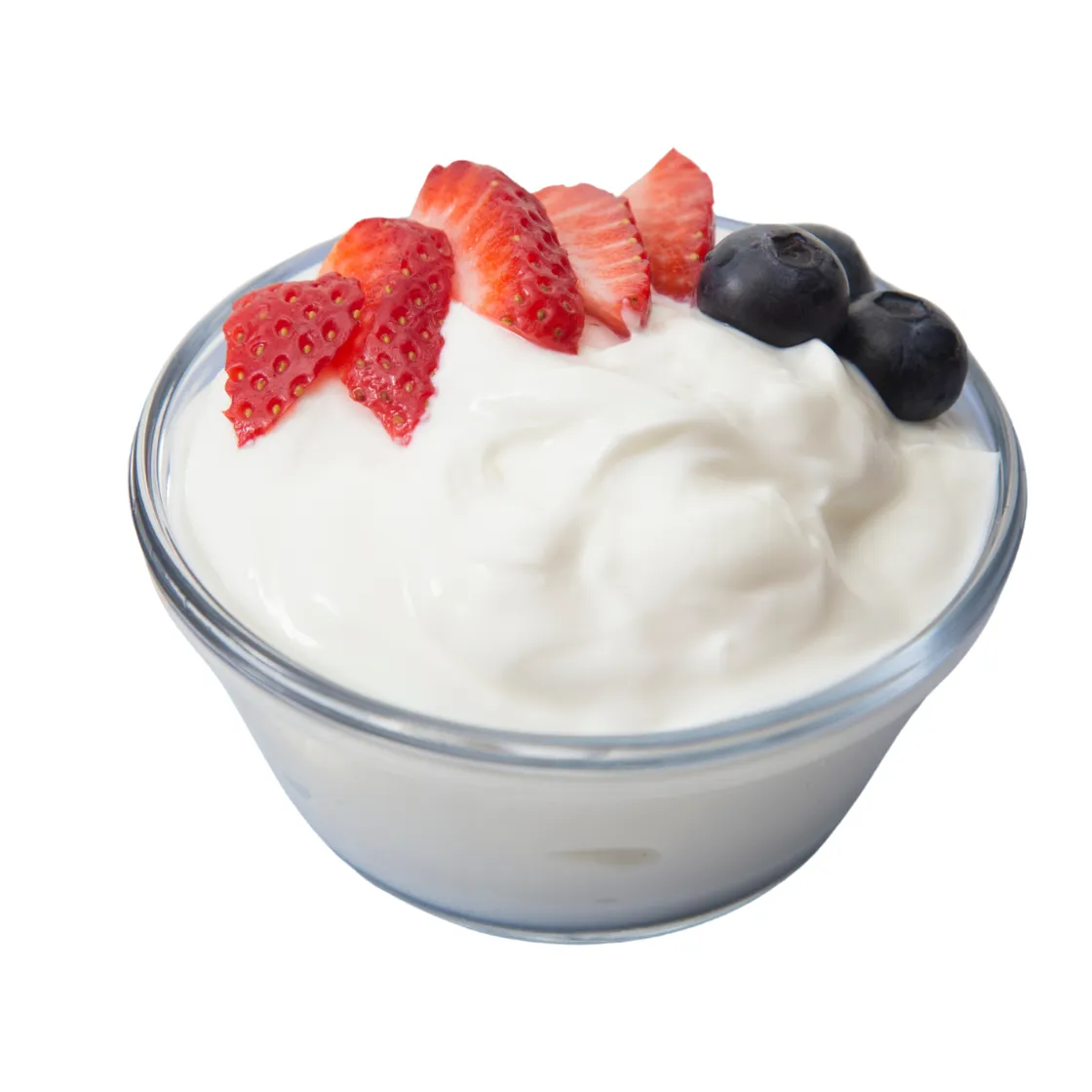
Protein-packed and probiotic-rich
Greek yogurt is an excellent source of protein that keeps you full and supports gut health. Add a handful of fresh berries for natural sweetness and antioxidants.
✅ Why it works: High protein + fiber = reduced cravings & better digestion
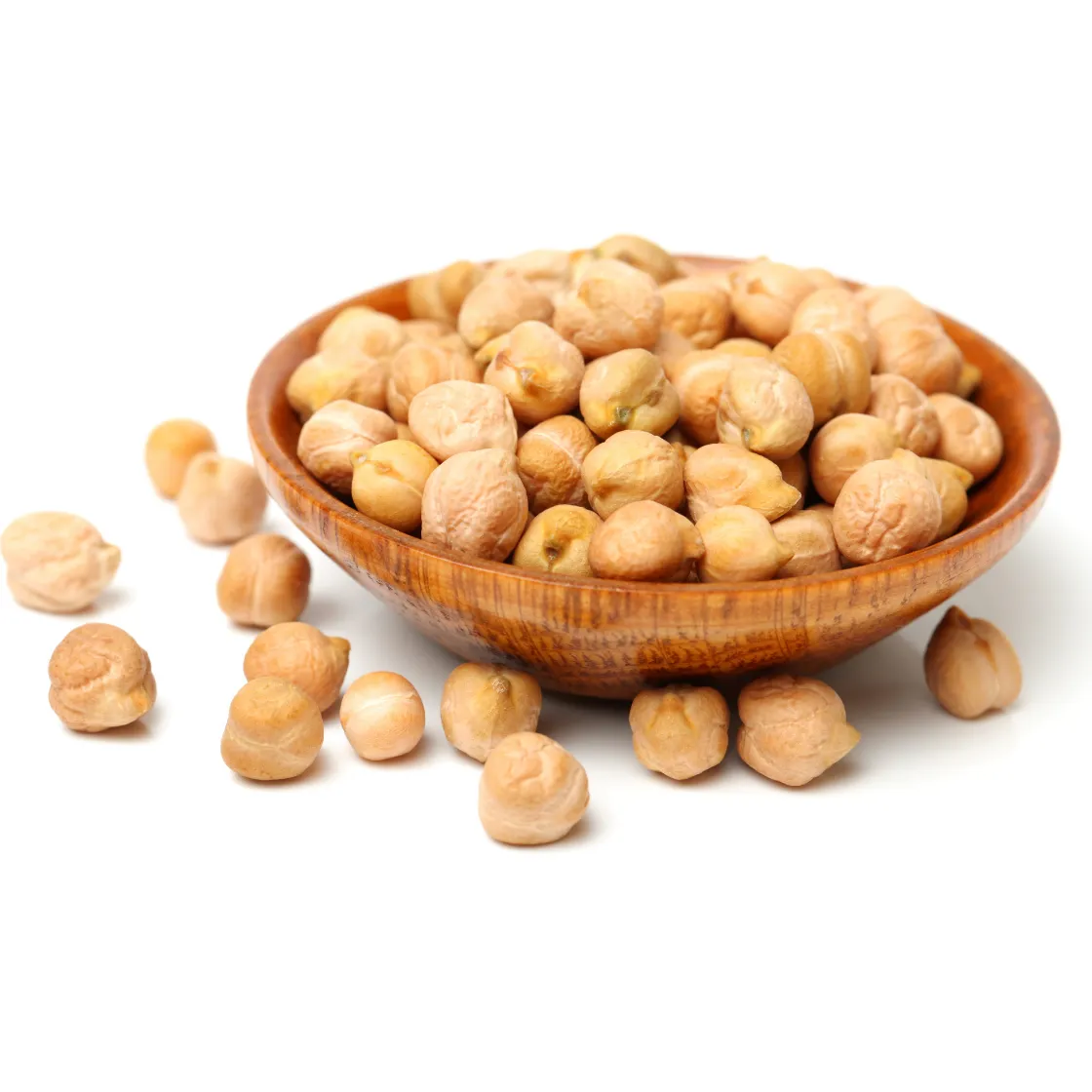
2. Roasted Chickpeas
Crunchy, spicy, and full of plant protein
Roasted chickpeas are a satisfying, low-calorie alternative to chips. Spice them with turmeric, cumin, or peri-peri for an Indian-style twist.
💡 Pro tip: Roast in olive oil for extra flavor and healthy fats.
3. Apple Slices with Peanut Butter

A perfect balance of fiber and healthy fat
Crisp apple slices paired with creamy peanut butter make a deliciously filling combo that keeps blood sugar stable.
⚠️ Watch the portion: Stick to 1 tablespoon of peanut butter.
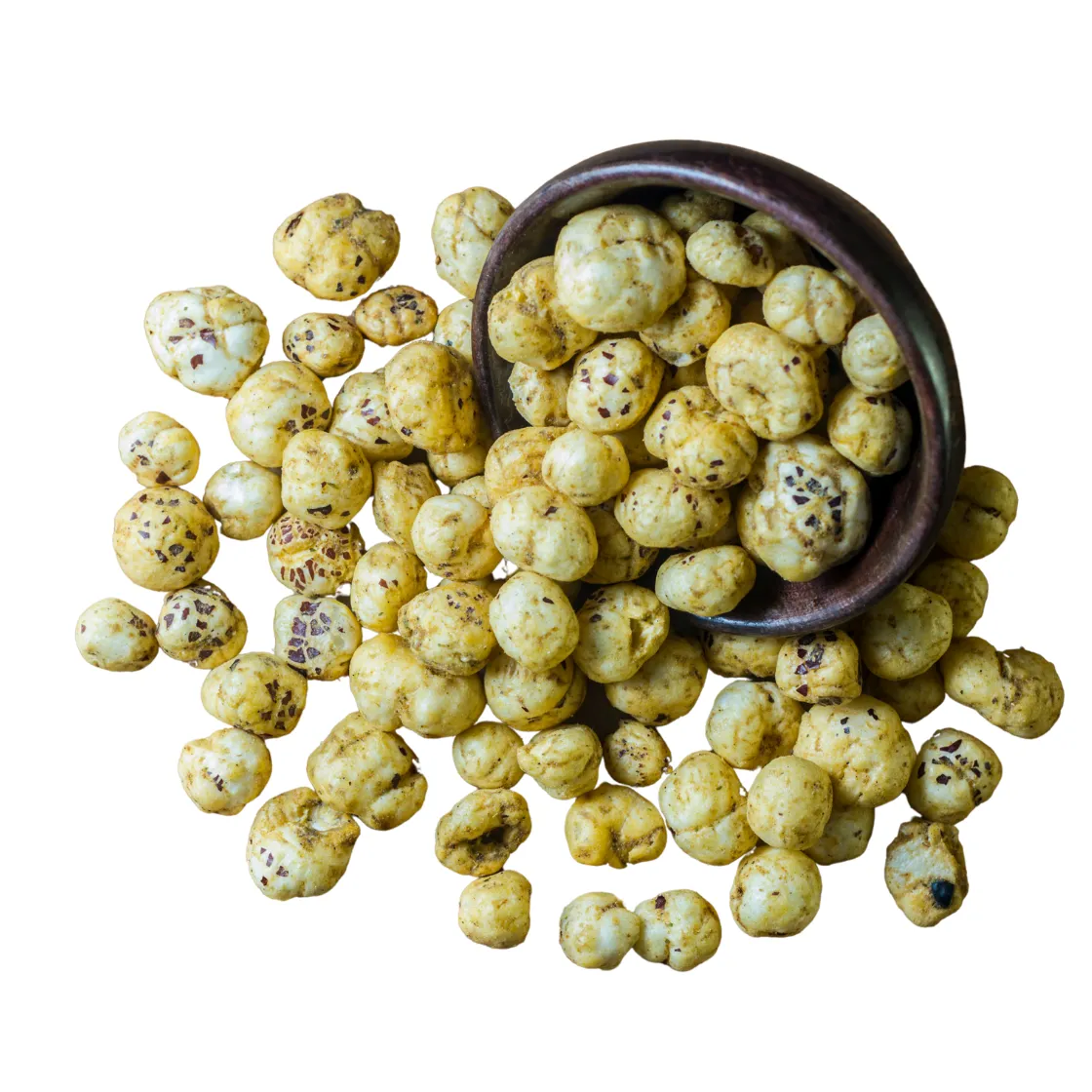
4. Makhana (Fox Nuts)
Light, crunchy, and antioxidant-rich
This Indian super-snack is low in calories and keeps you full for longer. Roast with ghee and season with black salt or peri-peri.
🌿 Best time: Mid-morning or evening snack.
5. Boiled Eggs

Simple, satisfying, and full of quality protein
Hard-boiled eggs are a fantastic go-to snack. They’re quick to prepare and help curb hunger effectively.
🔥 Flavor tip: Sprinkle black pepper and pink salt for added metabolism-boosting benefits.
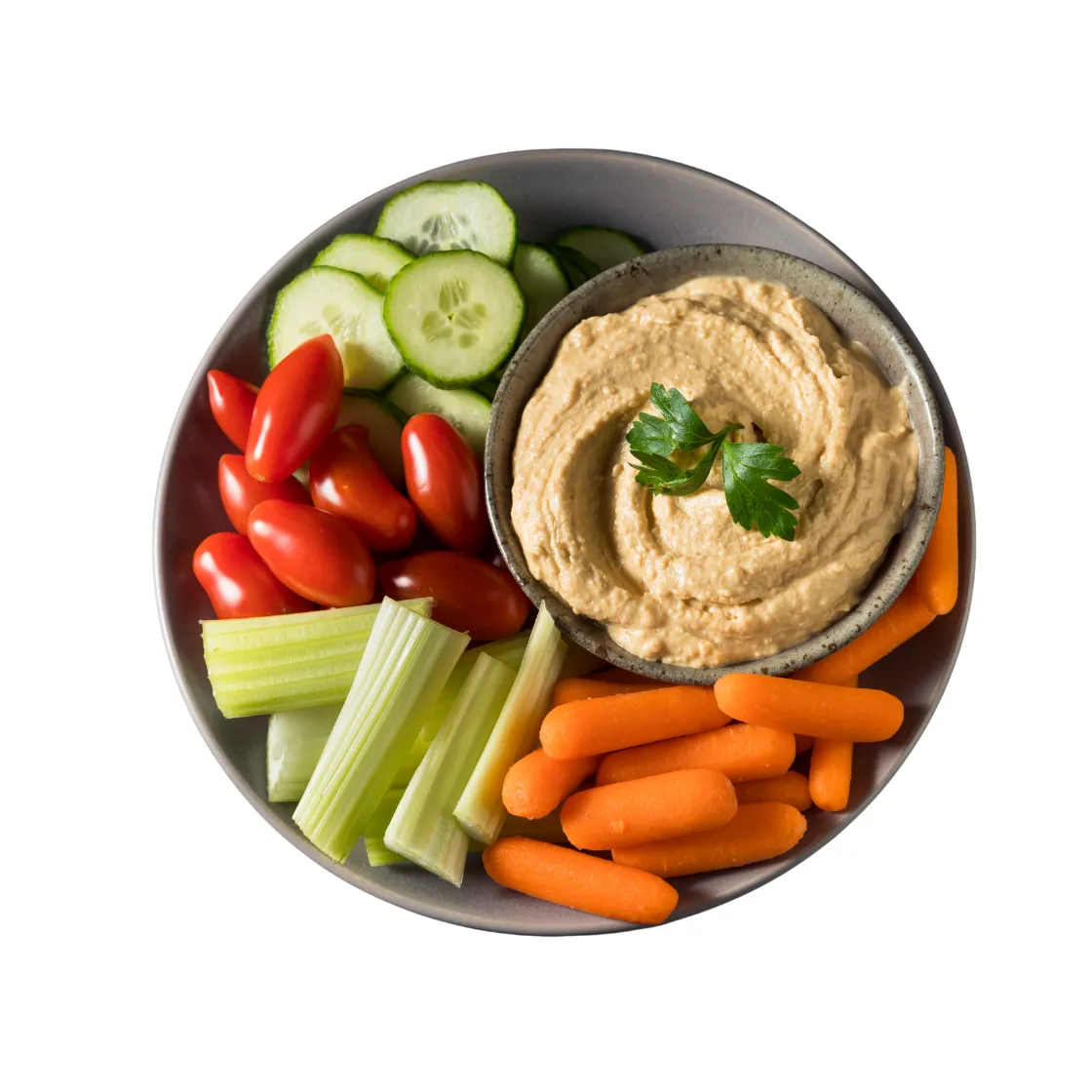
6. Hummus with Veggie Sticks
Creamy dip + crunchy veggies = snack heaven
Made from chickpeas, hummus is rich in protein and fiber. Pair with carrots, cucumbers, or bell peppers for a colorful, nutritious snack.
✨ Bonus: Helps control blood sugar spikes.
7. Chia Pudding

Fibre-loaded and filling
Soaked overnight in almond or coconut milk, chia pudding is a satiating snack that expands in your stomach and keeps you full for hours.
🥄 Top with: Almonds, sunflower seeds, or a few berries.
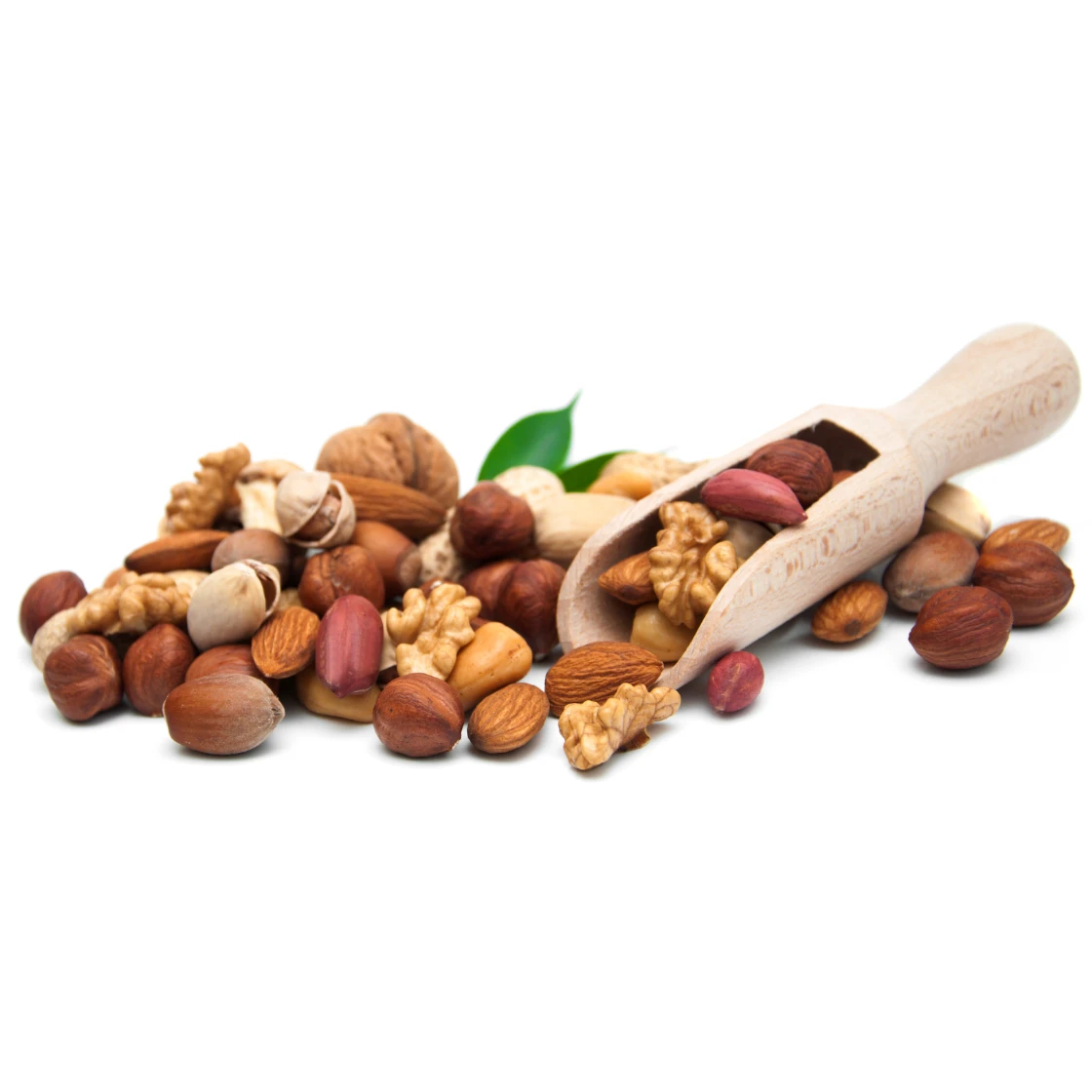
8. Nuts and Seeds Mix
Tiny but mighty snacks
Almonds, walnuts, pumpkin seeds, and sunflower seeds are packed with good fats and nutrients. Great for curbing sudden hunger pangs.
⚠️ Portion control: 20–25g max per snack time.
9. Sprout Salad
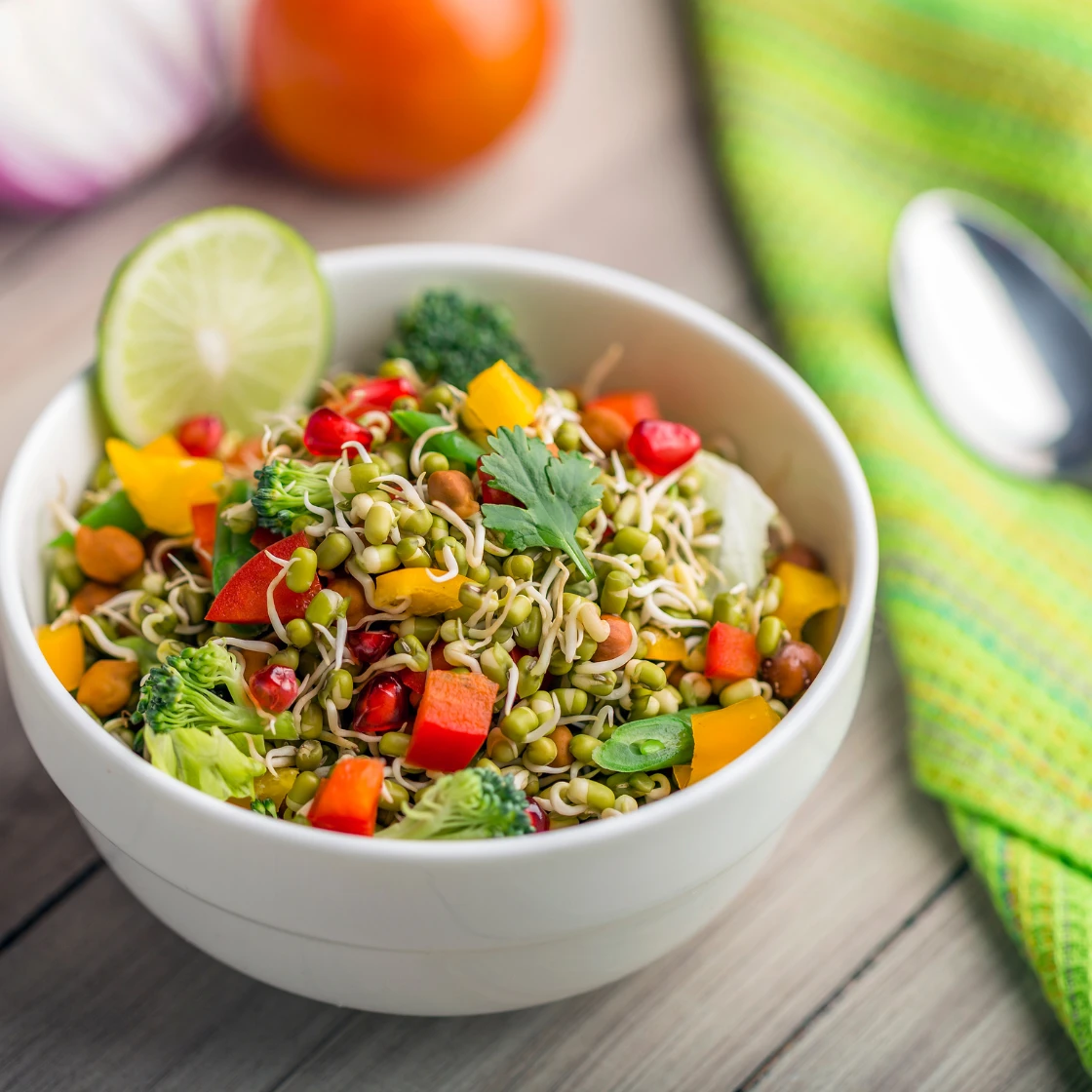
Refreshing, crunchy, and protein-rich
Mix moong sprouts with chopped onions, tomatoes, lemon juice, and black salt for a snack that’s low in calories but high in taste and nutrients.
🥗 Why it helps: Aids digestion and keeps you light yet energized.
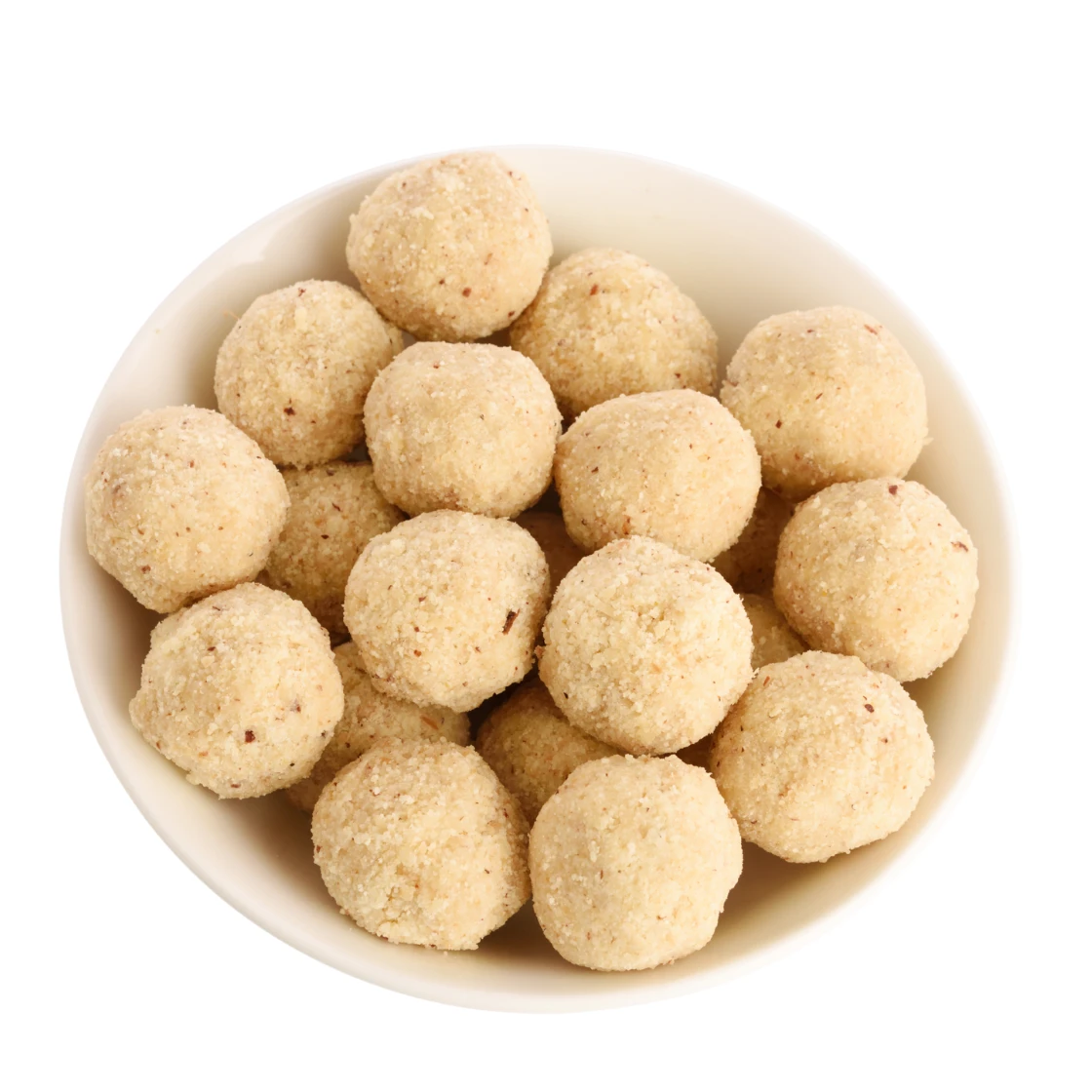
10. Homemade Protein Laddoos
Sweet, satisfying, and sugar-free
Made with oats, dates, nuts, and seeds, these laddoos are ideal for a post-workout snack or sweet craving fix.
💪 When to eat: Post-exercise or mid-evening.
Final Thoughts
Healthy snacking is a powerful tool in your weight loss journey. Choosing nutrient-dense, whole-food snacks keeps your metabolism active, prevents binge eating, and helps you stay on track—without ever feeling deprived.
At Health Atlas, we believe in personalization. Whether you’re managing a health condition or just aiming to lose weight naturally, we can create a custom snack plan that suits your body and lifestyle.
🎯 Ready to snack smarter?
👉 Book your free consultation today and get a personalized meal plan filled with healthy, delicious snacks you’ll love!
Understanding Macronutrients: Your Blueprint to a Balanced Diet
Introduction: What Are Macronutrients and Why Should You Care?
When it comes to health and fitness, macronutrients are the real MVPs. These essential nutrients—proteins, fats, and carbohydrates—fuel your body, support growth, and keep you thriving. Unlike micronutrients, which you need in small amounts, macronutrients are required in large quantities and play a central role in your energy levels, metabolism, and overall well-being.
But it’s not just about eating more or less—it’s about getting the right balance. In this guide, we’ll break down each macronutrient, explore its benefits, and show you how to balance them to support your lifestyle and health goals.
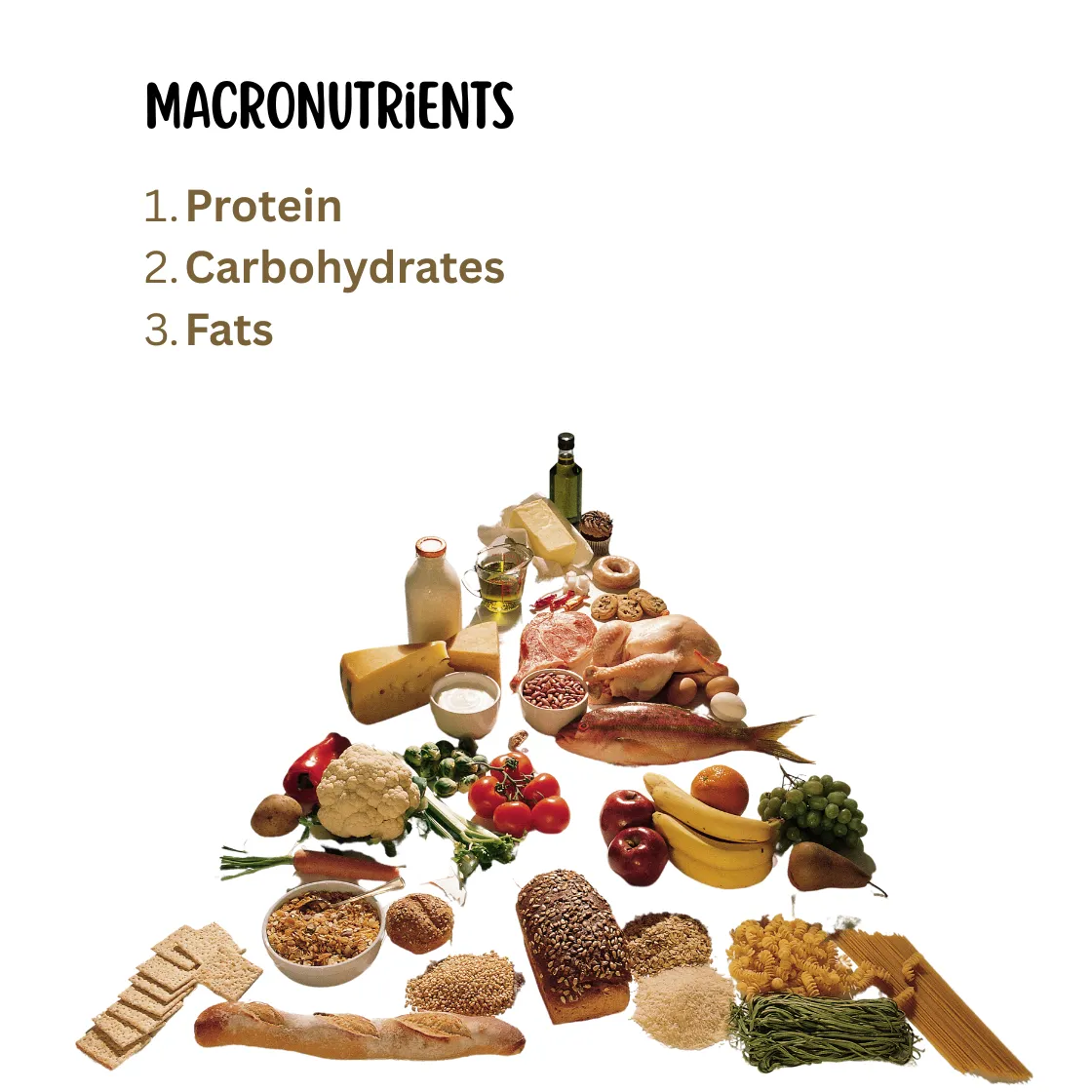
What Exactly Are Macronutrients?
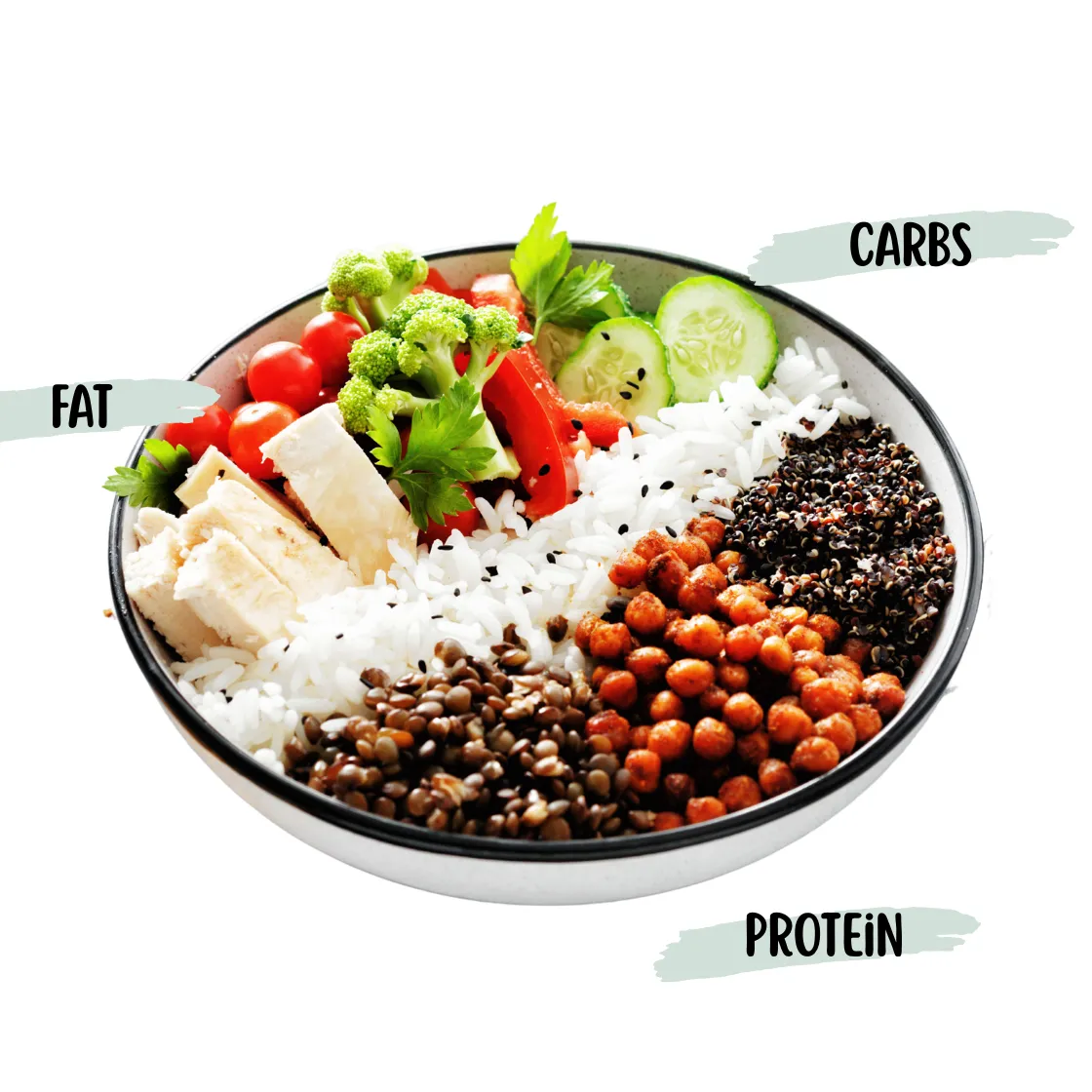
Macronutrients are the primary building blocks of your diet. They supply the calories your body needs to function:
- Protein
- Fats
- Carbohydrates
Each of these plays a unique and vital role in keeping you healthy. Let’s break them down.
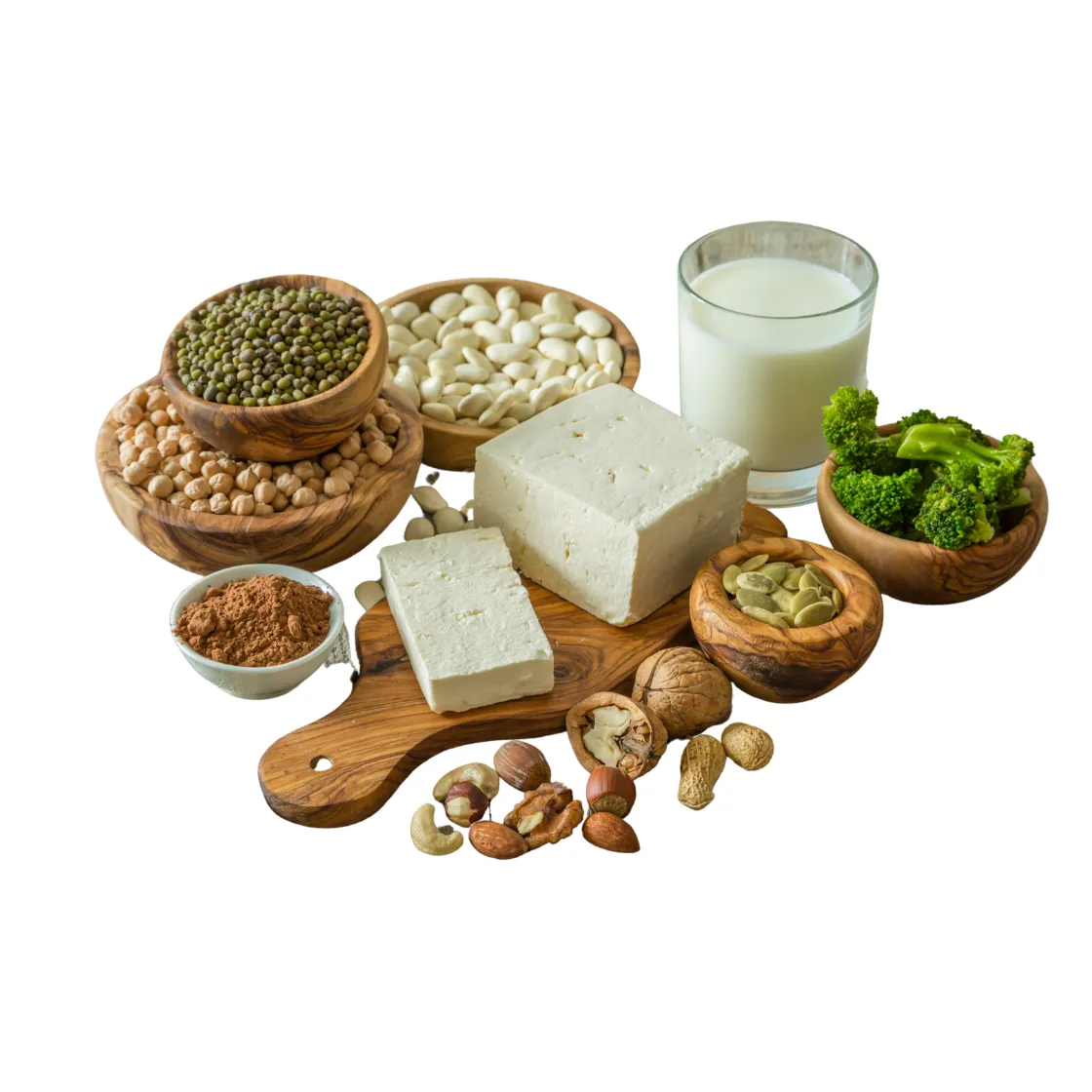
1. Protein – The Body’s Building Block
Protein is your body’s repair crew. It’s essential for muscle repair, hormone production, and immune support. Proteins are made of amino acids, the building blocks for muscle tissue and many other vital functions.
✅ Why You Need Protein:
- Muscle repair & growth: Especially important for athletes and active individuals.
- Immune support: Helps produce antibodies that fight illness.
- Hormonal balance: Supports hormone creation and regulation.
🥩 Best Sources:
- Animal-based: Chicken, fish, eggs, dairy
- Plant-based: Lentils, chickpeas, tofu, tempeh, quinoa, nuts
📏 How Much?
- General: 0.8g per kg of body weight
- Active individuals: 1.2–2.0g per kg
2. Fats – Not the Enemy!
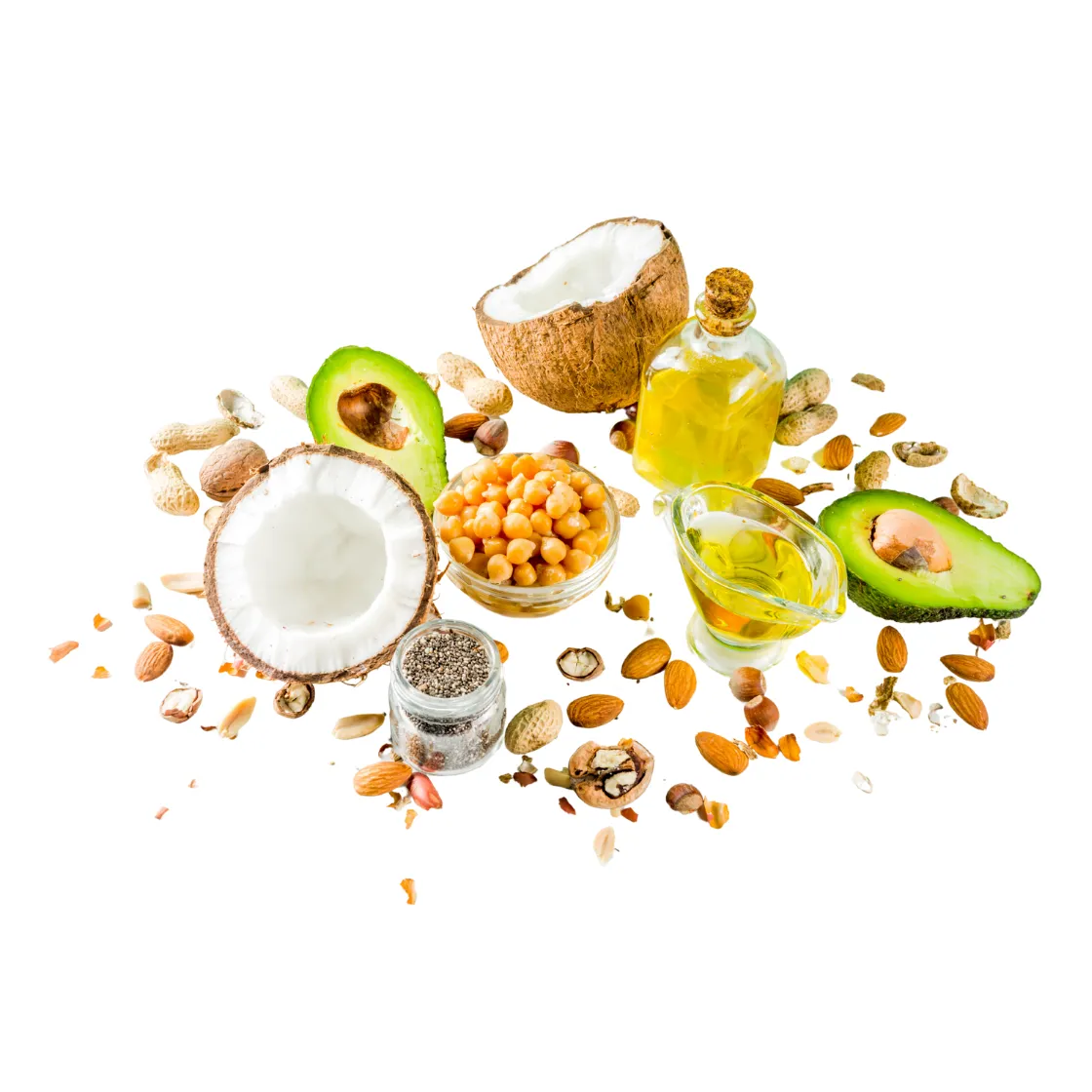
Fats have been unfairly demonized, but healthy fats are vital. They support brain function, regulate hormones, and help absorb key vitamins.
✅ Why You Need Healthy Fats:
- Energy: Fats provide 9 calories per gram—more than proteins or carbs.
- Vitamin absorption: Crucial for absorbing vitamins A, D, E, and K.
- Brain health: Omega-3s and Omega-6s are essential for cognition and mood.
🥑 Top Fat Sources:
- Healthy fats: Avocados, olive oil, fatty fish, nuts, seeds
- Plant-based alternatives: Flaxseeds, chia seeds, walnuts
📏 How Much?
- 20–35% of total daily calories, focusing on unsaturated fats
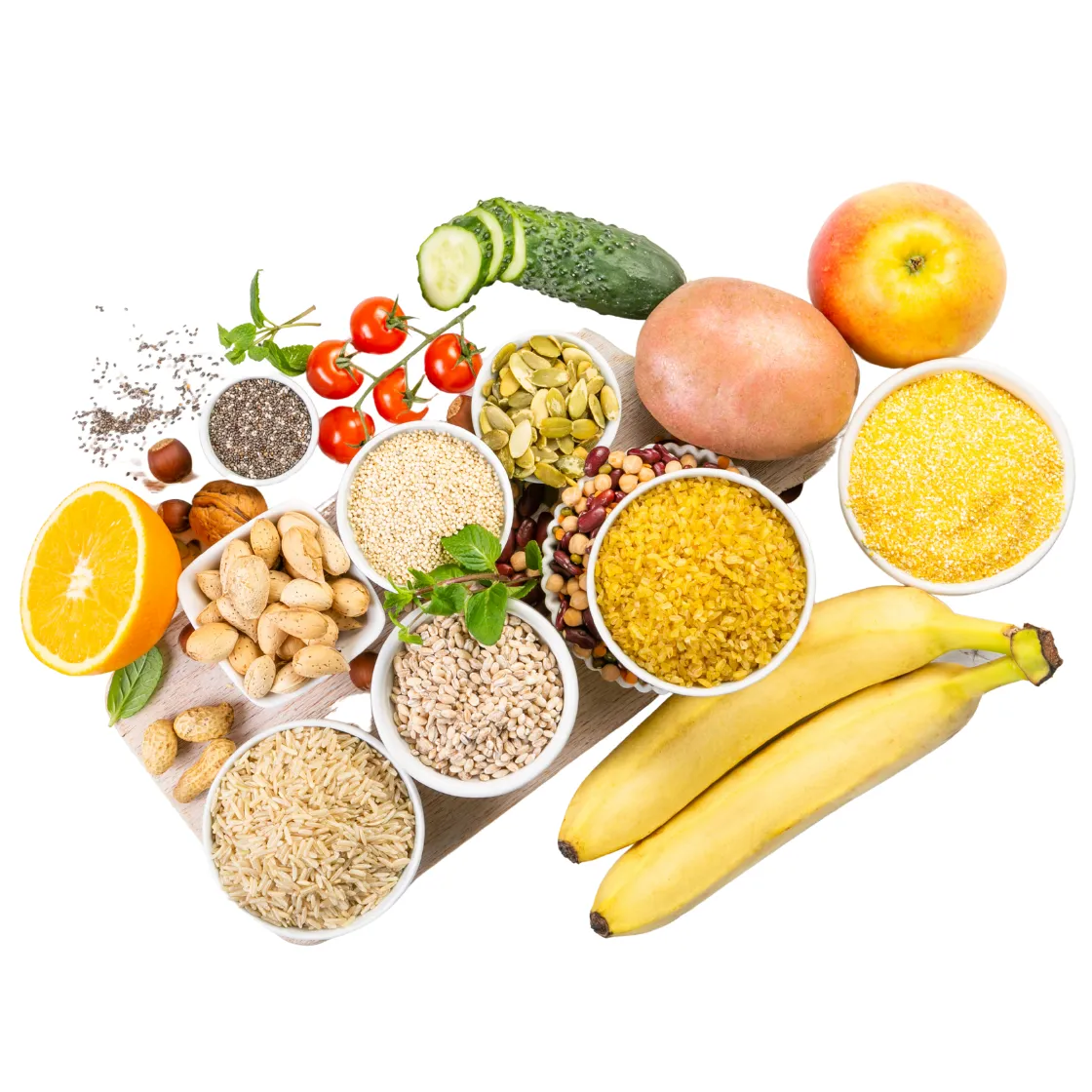
3. Carbohydrates – Your Body’s Main Energy Source
Carbs often get a bad rap, but they’re essential for energy, especially for the brain and high-intensity activity. The key is to choose complex carbs over simple sugars.
✅ Why You Need Carbs:
- Quick energy: Fuels muscles and brain function.
- Brain power: Glucose is the brain’s preferred fuel.
- Digestive health: Fiber-rich carbs keep your gut happy.
🥔 Top Carb Sources:
- Complex carbs: Oats, quinoa, brown rice, legumes, veggies
- Simple carbs (in moderation): Fruits, dairy, natural sweeteners
📏 How Much?
- 45–65% of your total daily calories should come from carbs—preferably complex ones.
Finding the Right Balance: The Macronutrient Formula
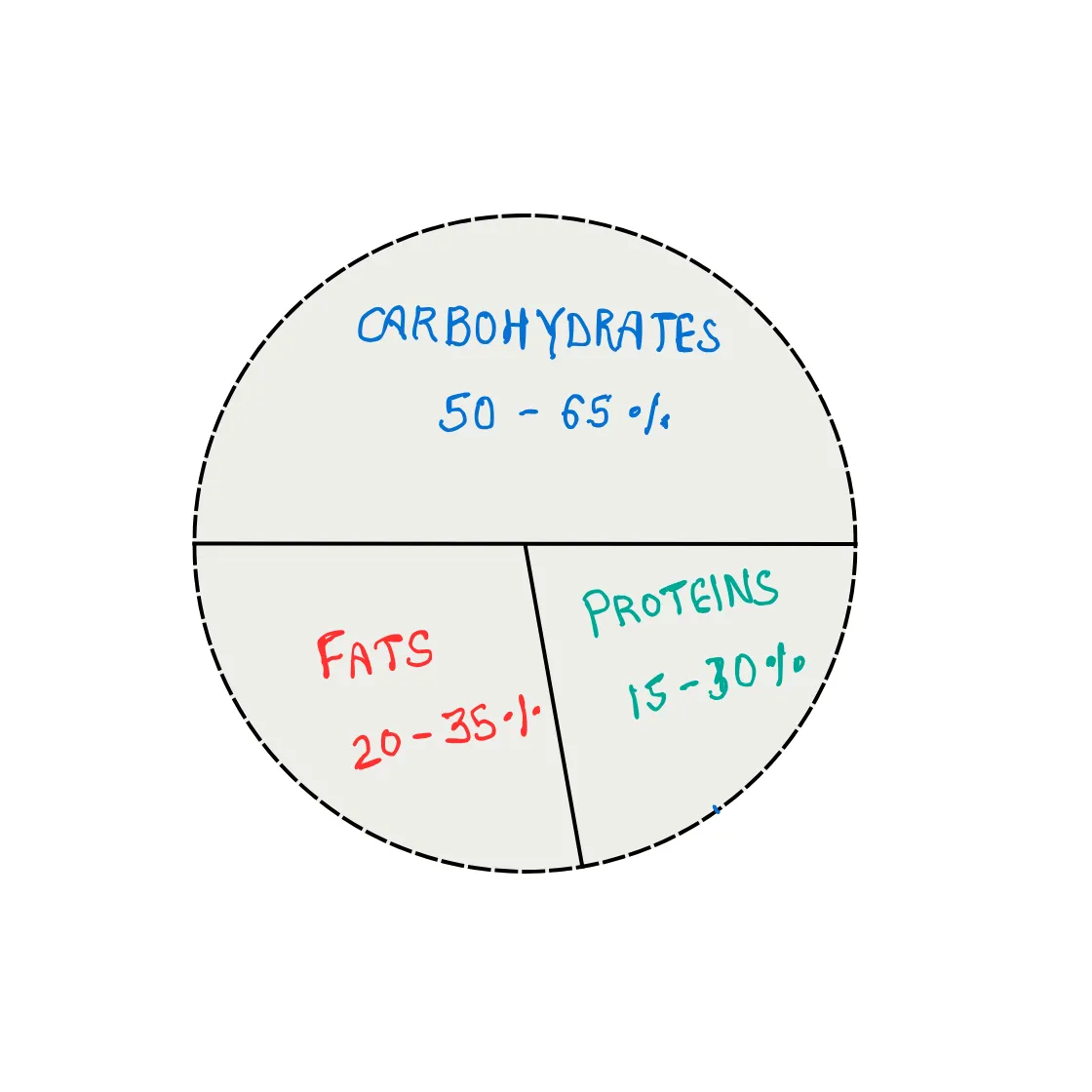
Now that you know what each macronutrient does, here’s how to balance them for optimal health:
🔢 General Guidelines:
- Protein: 15–30% of daily calories
- Fat: 20–35%
- Carbohydrates: 45–65%
These ratios may shift depending on your goals:
- For weight loss: Consider lower carbs, higher protein
- For muscle gain: Increase protein and maintain balanced carbs/fats
- For endurance training: Ensure a healthy carb intake for sustained energy
Conclusion: Eat Smart, Live Well
Balancing your macronutrients isn’t just about dieting—it’s about fueling your body the right way. Each macro plays a crucial role in energy, metabolism, and long-term health. By understanding what your body needs, you can tailor your meals to feel more energetic, improve performance, and support your health goals.
Bonus Tip: Consider using a macronutrient tracker app or consulting a nutritionist to personalize your ideal macro ratio.

The Truth About Carbs: Should You Cut Them Out?
Carbohydrates:
They’re either your best friend or your worst enemy, depending on who you ask. From keto lovers ditching bread to fitness buffs fueling up on oats, carbs are constantly in the spotlight. But what’s the real deal? Should you cut them out completely? Spoiler alert: not necessarily.
Let’s break down the facts, bust some myths, and help you figure out the carb game once and for all.
What Are Carbohydrates?
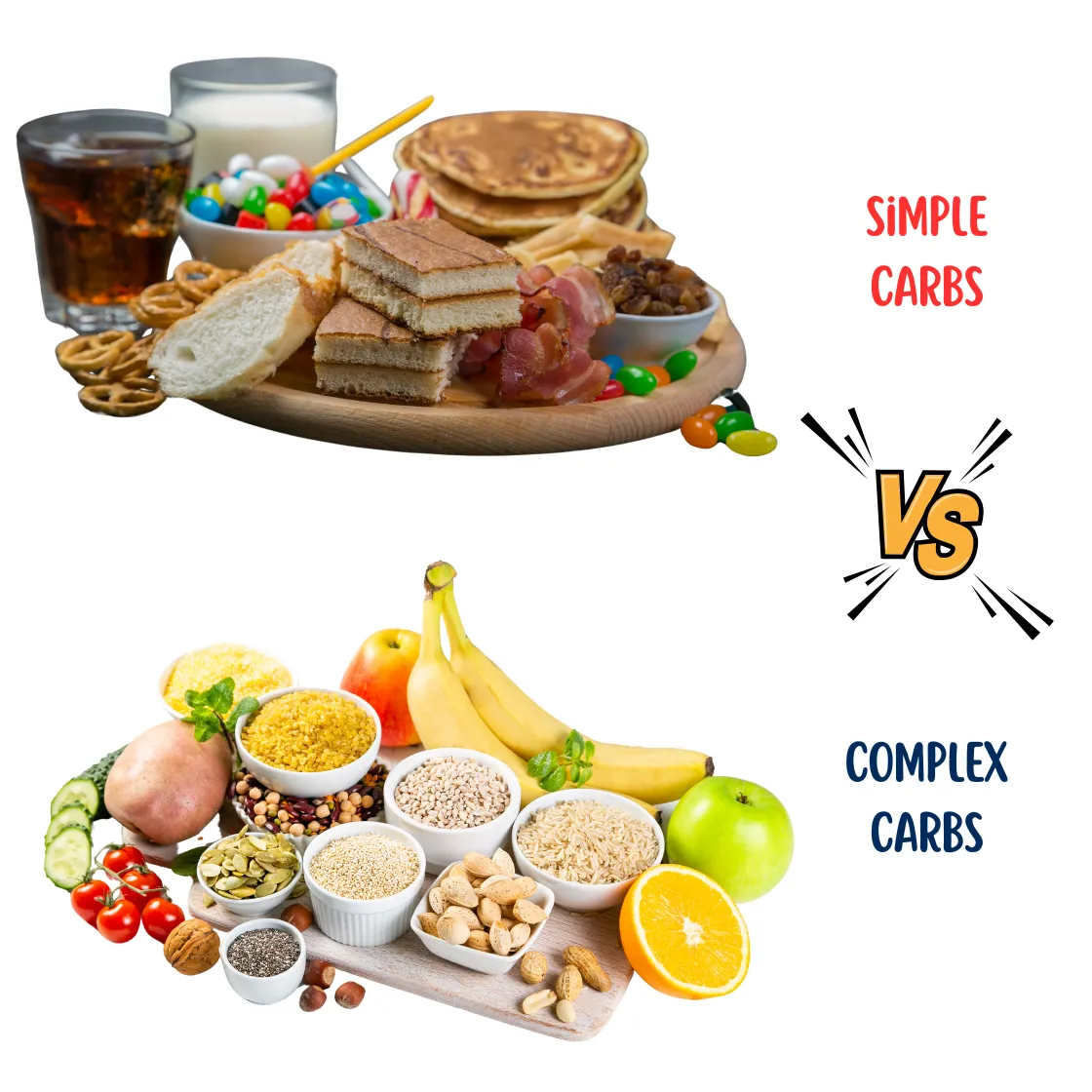
Carbs are one of the three essential macronutrients (along with fats and proteins) your body needs for energy. They break down into glucose, which powers everything from your brain to your biceps.
There are two main types:
- Simple Carbs: Quickly digested sugars found in soda, candy, pastries, and many processed foods.
- Complex Carbs: Found in whole grains, veggies, legumes, and fruits. These take longer to digest and provide long-lasting energy.
Why Your Body Actually Loves Carbs
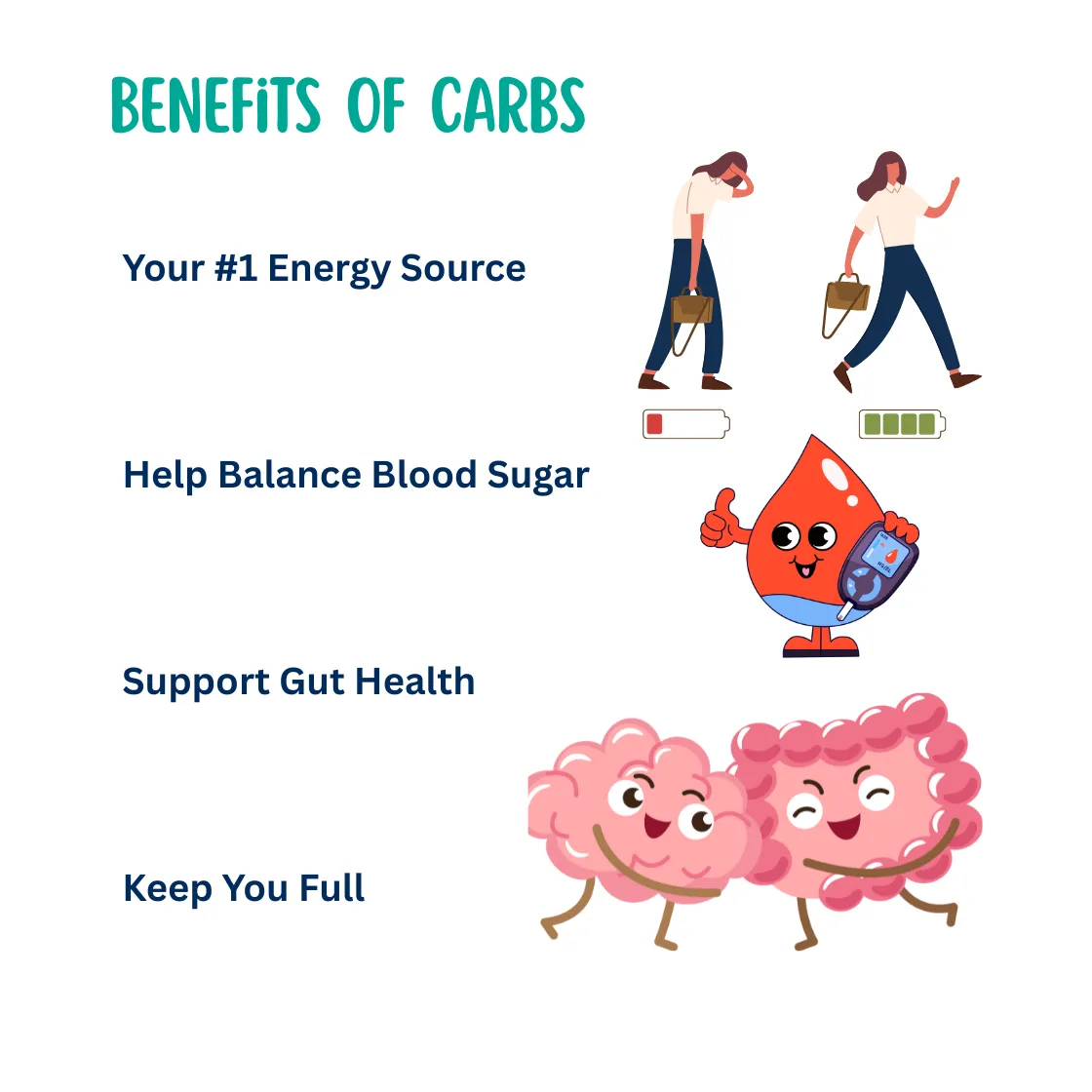
- They’re Your #1 Energy Source
Your brain alone burns up about 20% of your total energy—and it runs on glucose. Without enough carbs, you may feel tired, foggy, and drained.
- They Help Balance Blood Sugar
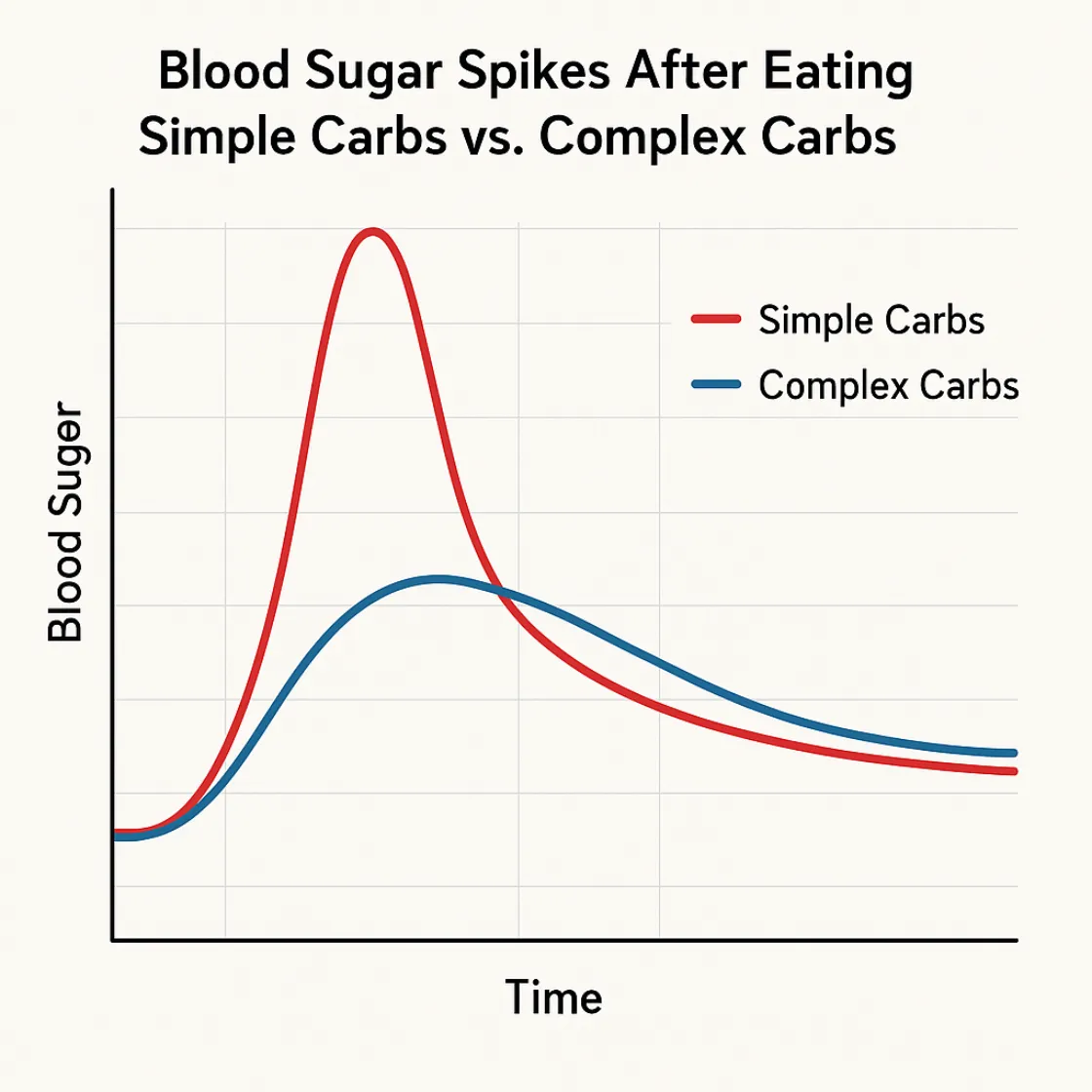
Complex carbs slow down glucose absorption, preventing those energy crashes after meals. Think: oats, lentils, and sweet potatoes.
- They Support Gut Health
Carbs contain fiber, crucial for digestion, bowel health, and feeding the good bacteria in your gut.
- They Keep You Full
Fiber-rich foods promote satiety, meaning you’re less likely to snack mindlessly or overeat.
When Cutting Carbs Might Actually Help
There are times when reducing certain carbs—especially the refined kind—can benefit your health:
🔻 For Weight Loss
Ditching sugary drinks and processed snacks can create a calorie deficit. But don’t throw out your quinoa just yet—whole carbs are still your friend.
🩸 For Managing Blood Sugar or Diabetes
High-carb meals can spike blood sugar. People with insulin resistance or type 2 diabetes benefit from lower-carb, low-GI meals that provide steady energy.
❤️ For Better Heart & Metabolic Health
Some studies show that cutting refined carbs can improve cholesterol, triglycerides, and other metabolic markers.
When You Should Embrace Carbs
Cutting all carbs isn’t the answer for everyone. In fact, you might need them more than you think.
🏃 For Energy & Performance
If you work out regularly, carbs help fuel your workouts and replenish glycogen stores. Athletes need carbs like cars need gas.
🧠 For Brain Power
Your brain thrives on glucose. Carbs = focus, memory, and sharper thinking.
🌿 For Nutrient Absorption
Some vitamins, like A, D, E, and K, absorb better when eaten with carbs. Bonus: carb-rich foods like sweet potatoes and fruits also carry those vitamins.
💩 For Digestive Wellness
Yep, back to fiber again! A healthy gut depends on complex carbs—found in fruits, veggies, legumes, and whole grains.

Conclusion: It’s All About Balance
Carbs are not the enemy. They’re essential, versatile, and, yes, even weight-loss friendly—when chosen wisely. The trick is to ditch the refined, sugary stuff and embrace whole, fiber-rich foods that energize your body and mind.
Whether your goal is to slim down, boost energy, or just feel better overall, smart carb choices will always support your wellness journey.
💬 Pro tip: Talk to a dietitian to tailor your carb intake to your unique lifestyle and health goals.
Intermittent Fasting Benefits: Is It the Right Choice for You?
Introduction
Intermittent fasting benefits have gained major attention in the health and wellness world, offering promising results for weight loss, focus, and metabolism. More than just another diet trend, IF is a structured eating pattern that cycles between periods of fasting and eating. Advocates praise its benefits—weight loss, improved metabolism, enhanced mental clarity, and even longevity. But is it the right approach for you? Let’s dive into the details, explore the benefits and drawbacks, and help you determine if intermittent fasting aligns with your health goals.

What Is Intermittent Fasting?
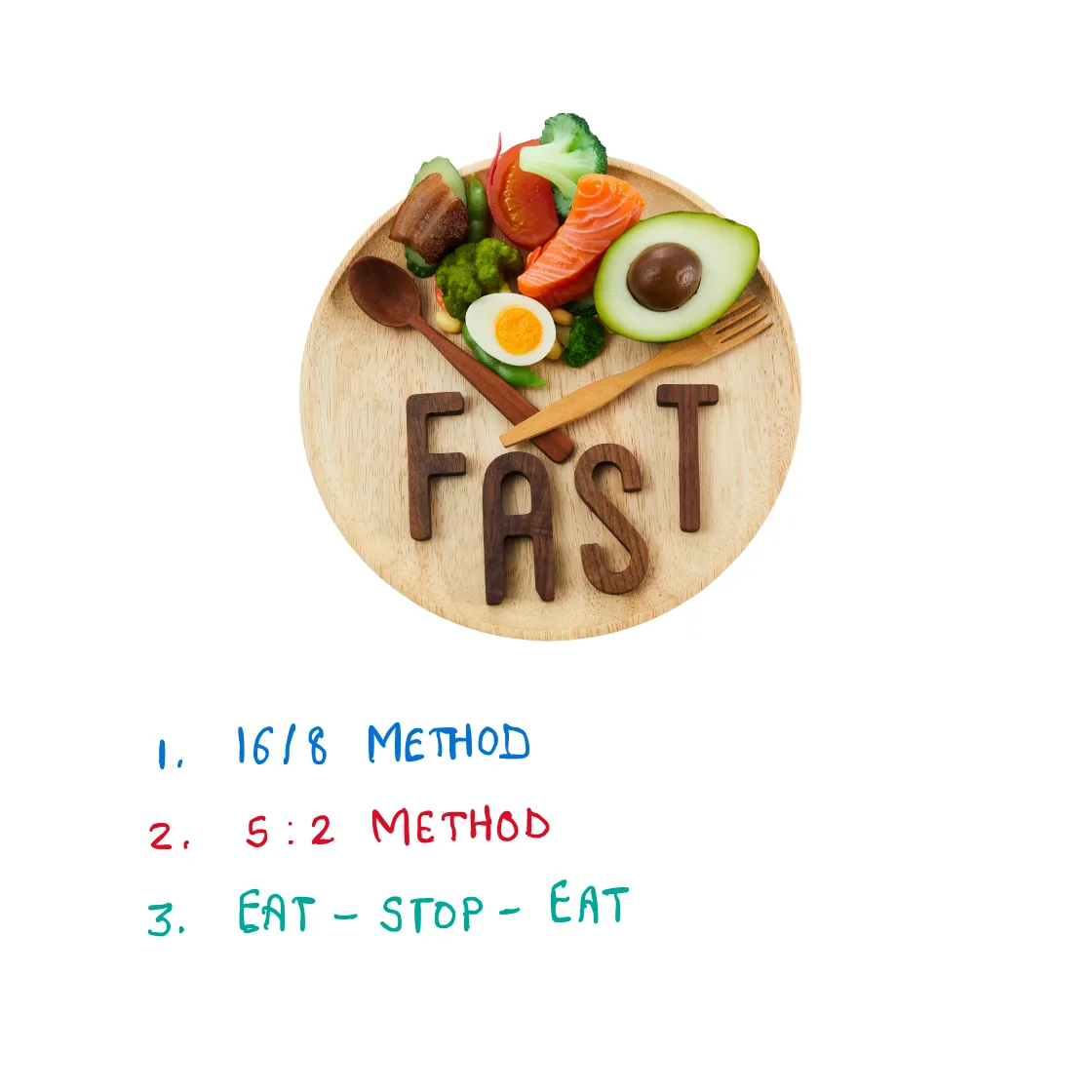
Unlike conventional diets that dictate what you eat, intermittent fasting focuses on when you eat. It structures your eating schedule to allow extended periods of fasting, encouraging the body to burn stored fat for energy. Here are the most popular IF methods:
- 16/8 Method – Fast for 16 hours and eat within an 8-hour window (e.g., 12 PM – 8 PM).
- 5:2 Method – Eat normally for five days, then limit calories to 500-600 on two non-consecutive days.
Eat-Stop-Eat – Fast for 24 hours once or twice per week.
The Benefits of Intermittent Fasting
- Supports Weight Loss and Fat Burning
Fasting periods limit calorie intake naturally while promoting fat burning. Your body switches from using glucose to burning stored fat for energy, aiding weight loss.
- Boosts Metabolic Health
Intermittent fasting enhances insulin sensitivity, reduces inflammation, and stabilizes blood sugar levels. It may also lower the risk of type 2 diabetes and heart disease.
- Enhances Mental Clarity and Focus
Many IF practitioners report increased focus and alertness. Fasting boosts norepinephrine, a neurotransmitter linked to mental sharpness and productivity.
- Simplifies Eating Patterns
Unlike restrictive diets, IF is straightforward—no calorie counting, no meal prepping stress. Just follow your eating window.
- Encourages Cellular Repair and Longevity
Fasting activates autophagy, a process where the body removes damaged cells, which may slow aging and promote longevity.

Potential Drawbacks of Intermittent Fasting

- Hunger and Irritability
The adjustment phase can be tough. Hunger pangs, fatigue, and mood swings are common as your body adapts.
- Social and Lifestyle Challenges
Fasting may interfere with social meals, family gatherings, or work schedules, making consistency difficult.
- Risk of Overeating
Some people compensate for fasting periods by overeating during their eating windows, negating the benefits.
- Not Suitable for Everyone
People with certain conditions—such as eating disorders, diabetes, low blood pressure, or those pregnant/breastfeeding—should consult a healthcare provider before trying IF.
Is Intermittent Fasting Right for You?
To decide if IF aligns with your health goals, ask yourself these key questions:
✅ Are you looking for weight loss?
IF can help, but mindful eating during eating windows is crucial.
✅ Can you handle initial hunger and discomfort?
If fasting negatively impacts your daily life, it might not be the best choice.
✅ Do you have any pre-existing health conditions?
Always check with a doctor before making dietary changes.
✅ Can you commit to a structured eating schedule?
If your lifestyle allows consistent fasting, IF may be a good fit.

Conclusion:
Intermittent fasting offers numerous health benefits, from weight management to metabolic improvements and mental clarity. However, it’s not a one-size-fits-all approach. Before jumping in, assess your lifestyle, health status, and ability to maintain consistency. If in doubt, consult a healthcare professional to ensure IF is safe and effective for your individual needs.

How to Kickstart Your Weight Loss Journey: Expert-Backed Tips for Lasting Results
Introduction
Embarking on a weight loss journey is both exciting and challenging. With countless diets and “quick-fix” solutions flooding the internet, it’s easy to feel overwhelmed. However, true and lasting weight loss isn’t about drastic measures—it’s about building sustainable habits that support your health.
If you’re ready to take the first step toward a healthier, more energized version of yourself, here are expert-backed strategies to set you up for long-term success.

1. Set Realistic Goals for Sustainable Success

One of the biggest mistakes people make is aiming for unrealistic weight loss goals. Instead of chasing rapid results, experts recommend a steady loss of 0.4-0.8 kgs per week—a pace that’s safe and sustainable.
💡 Pro Tip: Don’t just focus on the number on the scale. Set goals related to how you feel, your energy levels, and fitness milestones like running a mile or fitting into your favorite outfit.
2. Choose Nutrient-Dense Foods Over Fad Diets
Forget about starving yourself or following extreme diets. The secret to healthy weight loss is quality nutrition. Fill your plate with whole, nutrient-rich foods that fuel your body and keep you feeling full longer.
🍏 Must-Have Foods for Weight Loss:
✅ Fruits & Veggies: Packed with fiber, vitamins, and antioxidants.
✅ Lean Proteins: Chicken, fish, tofu, and legumes to build and maintain muscle.
✅ Whole Grains: Brown rice, quinoa, oats, and whole wheat for sustained energy.
✅ Healthy Fats: Avocados, nuts, olive oil, and seeds to support metabolism.
💡 Pro Tip: The more colorful your plate, the more nutrients you’re getting!

3. Hydration: The Underrated Weight Loss Hack

Did you know that thirst is often mistaken for hunger? Drinking enough water boosts metabolism, reduces cravings, and aids digestion. Aim for at least 8 glasses of water per day, increasing intake if you’re active or in a hot climate.
💧 Hydration Hacks:
✔ Start your day with a glass of warm lemon water.
✔ Carry a reusable water bottle to track intake.
✔ Infuse your water with fruits or mint for added flavor.
4. Move Your Body in a Way You Enjoy
Exercise doesn’t have to be a chore! Whether it’s dancing, hiking, swimming, or weightlifting, the key is to find an activity you genuinely enjoy.
🏋️♀️ Best Workout Strategies for Weight Loss:
✅ Cardio Workouts: Walking, running, cycling (at least 150 minutes per week).
✅ Strength Training: Builds muscle, which increases calorie burn even at rest.
✅ Fun Activities: Yoga, dance, or team sports—anything that keeps you moving!
💡 Pro Tip: Mix it up to avoid boredom and keep your body challenged.

5. Prioritize Sleep to Keep Cravings in Check

Poor sleep can sabotage your weight loss efforts by increasing cravings for sugary, high-calorie foods. Aim for 7-9 hours of quality sleep each night to support metabolism and recovery.
🛏 Better Sleep Tips:
✔ Stick to a consistent bedtime routine.
✔ Avoid screens 30 minutes before sleep.
✔ Keep your bedroom cool and dark.
6. Practice Mindful Eating to Avoid Overeating
Mindless snacking while watching TV? We’ve all been there! Practicing mindful eating helps you listen to your hunger cues and enjoy food more fully.
🍽 How to Eat Mindfully:
✅ Chew slowly and savor each bite.
✅ Eat without distractions (no screens!).
✅ Stop eating when you feel satisfied, not stuffed.

7. Be Patient and Stay Consistent

Weight loss is a marathon, not a sprint. Don’t get discouraged if you don’t see instant results—consistency is the real key to success.
📌 How to Stay on Track:
✔ Track your progress weekly, not daily.
✔ Celebrate non-scale victories like better sleep, improved stamina, and glowing skin.
✔ Stay committed, even if you experience setbacks—progress is never linear.
8. Find a Support System & Stay Accountable
Having support and accountability can make all the difference in staying motivated.
👥 Ways to Stay Accountable:
✔ Share your goals with a friend or family member.
✔ Join a weight loss group or online community.
✔ Work with a nutritionist or coach for guidance.

Final Thoughts: Enjoy the Journey!
Starting your weight loss journey doesn’t have to feel overwhelming. By focusing on small, sustainable changes, you’ll build habits that last a lifetime. Stay patient, trust the process, and celebrate every victory—big or small.
Are you ready to take the first step toward a healthier you? Let’s do this together! 🚀

How to Build a Meal Plan for Your Body Type
Introduction
Creating the right meal plan for your body type is essential to achieving your health and fitness goals. When it comes to nutrition, a one-size-fits-all approach doesn’t work. Your body type, metabolism, and fitness goals all play a role in determining what you should eat. Whether your goal is weight loss, muscle gain, or overall well-being, tailoring your meal plan to your body type can help you maximize results.
In this guide, we’ll break down the different body types and show you how to create the perfect meal plan for your unique needs.
Understanding Your Body Type

Your body type is influenced by genetics and determines how you store fat and build muscle. The three main body types are:
- Ectomorph
- Naturally lean with a fast metabolism.
- Finds it difficult to gain weight or muscle.
- Typically has narrow shoulders and thin limbs.
- Mesomorph
- Athletic build with well-defined muscles.
- Gains muscle easily and can manage fat effectively.
- Adapts well to different training and eating styles.
- Endomorph
- Stores fat more easily with a slower metabolism.
- Has a rounder body shape with a wider waist and hips.
Gains muscle but struggles with fat loss.
Meal Plan for Ectomorphs: Prioritize Calories and Protein
Ectomorphs burn calories quickly, making it difficult to gain weight or muscle. To counteract this, they need a calorie-dense meal plan rich in protein, healthy fats, and complex carbohydrates.
Key Guidelines for Ectomorphs:
- Increase Caloric Intake – Focus on energy-dense foods like nuts, dairy, and healthy oils.
- Prioritize Protein – Include high-quality protein sources such as chicken, fish, eggs, tofu, and legumes.
- Healthy Fats & Carbs – Incorporate ghee, avocado, nuts, brown rice, and whole wheat bread for sustained energy.
- Frequent Meals – Eat every 3-4 hours to maintain a steady nutrient supply.
Sample Meal Plan for Ectomorphs:
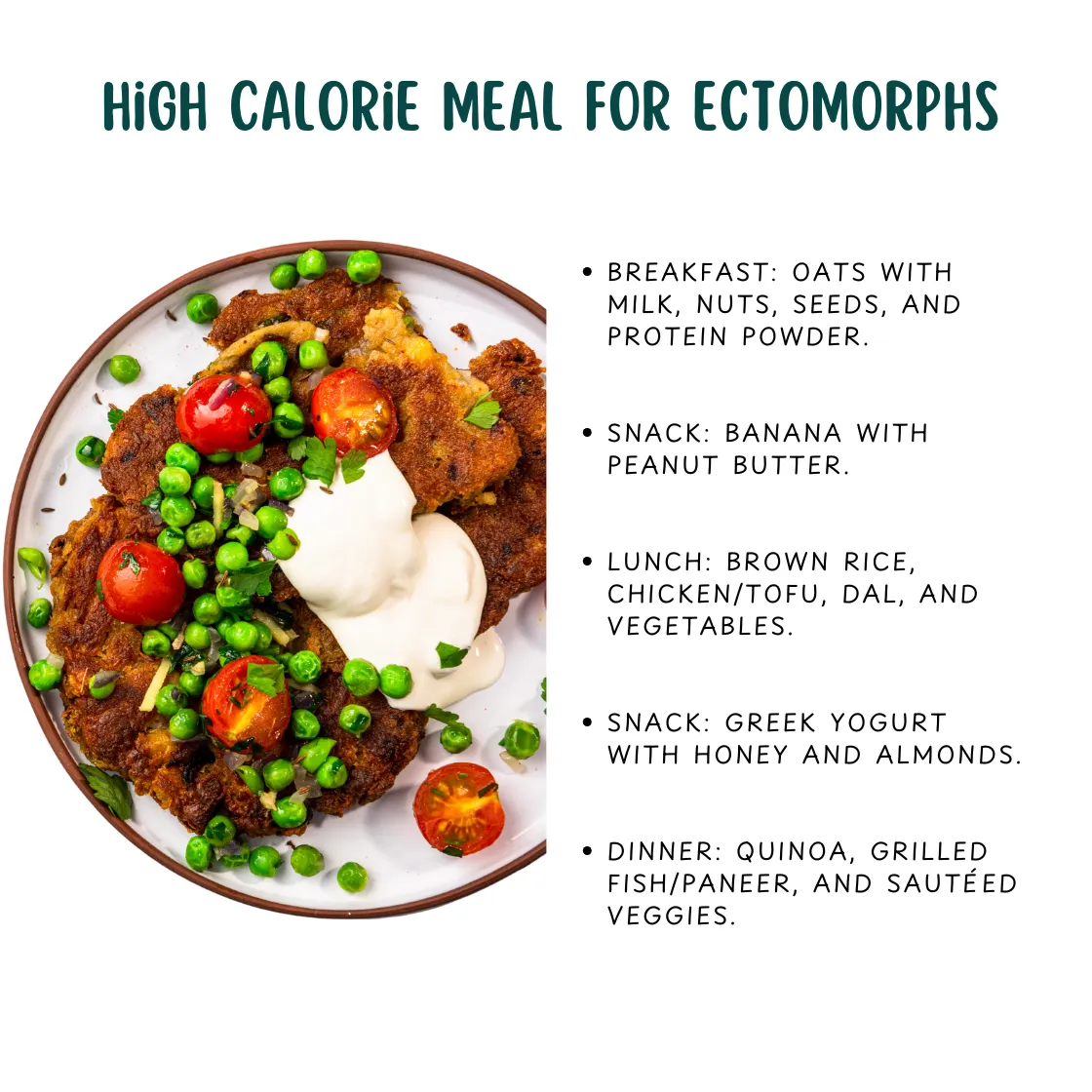
- Breakfast: Oats with milk, nuts, seeds, and protein powder.
- Snack: Banana with peanut butter.
- Lunch: Brown rice, chicken/tofu, dal, and vegetables.
- Snack: Greek yogurt with honey and almonds.
Dinner: Quinoa, grilled fish/paneer, and sautéed veggies.
Meal Plan for Mesomorphs: Balance is Key
Mesomorphs have a naturally athletic build and can manage muscle gain and fat loss effectively. They benefit from a well-balanced diet containing proteins, complex carbs, and healthy fats.
Key Guidelines for Mesomorphs:
- Moderate Caloric Intake – Eat according to activity level to avoid unnecessary fat gain.
- Protein-Rich Diet – Lean meats, fish, legumes, and eggs should be a priority.
- Complex Carbs & Fats – Whole grains, vegetables, nuts, and seeds are essential for sustained energy.
- Consistent Meal Timing – Three to four balanced meals per day with healthy snacks in between.
Sample Meal Plan for Mesomorphs:
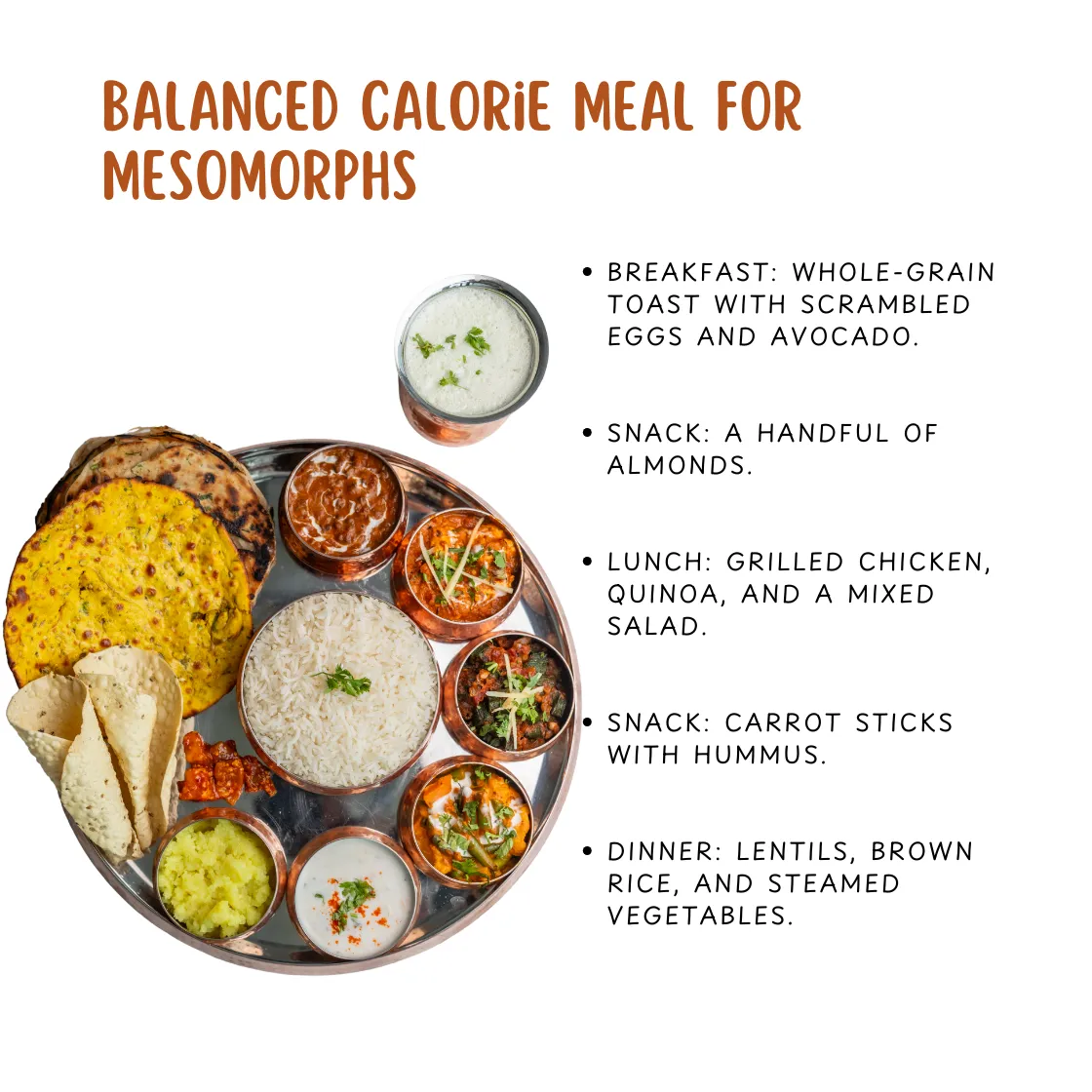
- Breakfast: Whole-grain toast with scrambled eggs and avocado.
- Snack: A handful of almonds.
- Lunch: Grilled chicken, quinoa, and a mixed salad.
- Snack: Carrot sticks with hummus.
- Dinner: Lentils, brown rice, and steamed vegetables.
Meal Plan for Endomorphs: Focus on Protein and Low-Carb Options
Endomorphs store fat more easily and need to manage their carbohydrate intake carefully. A low-carb, high-protein diet is ideal for maintaining muscle while promoting fat loss.
Key Guidelines for Endomorphs:
- Reduce Carb Intake – Avoid refined carbs and opt for slow-digesting options like sweet potatoes and quinoa.
- Increase Protein – Lean protein sources like chicken, fish, tofu, and eggs help maintain muscle and reduce cravings.
- Healthy Fats Are Essential – Include olive oil, ghee, nuts, and seeds to support metabolism and hormone regulation.
- Portion Control – Eating smaller, frequent meals can help manage hunger and prevent overeating.
Sample Meal Plan for Endomorphs:
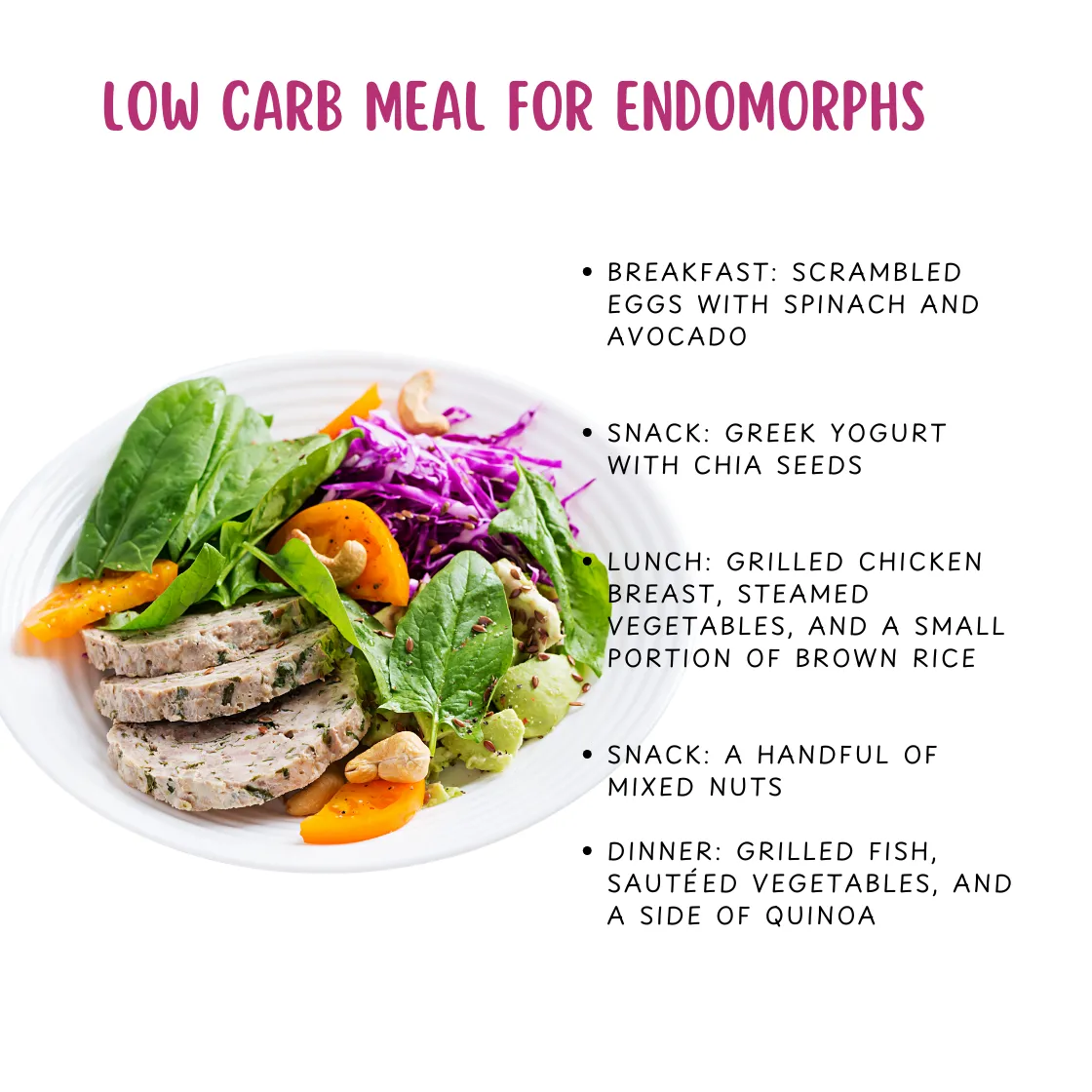
- Breakfast: Scrambled eggs with spinach and avocado.
- Snack: Greek yogurt with chia seeds.
- Lunch: Grilled chicken breast, steamed vegetables, and a small portion of brown rice.
- Snack: A handful of mixed nuts.
- Dinner: Grilled fish, sautéed vegetables, and a side of quinoa.
Conclusion: Personalizing Your Meal Plan
The right meal plan for your body type can significantly improve your results. Whether you’re an ectomorph aiming to gain muscle, a mesomorph maintaining balance, or an endomorph focusing on fat loss, adjusting your diet accordingly is key.
Start by identifying your body type, set clear goals, and structure your meals around your specific needs. Remember, consistency is essential, and making gradual changes will yield sustainable results. If needed, consult a nutritionist to further refine your meal plan for optimal success.

10 Superfoods You Should Start Eating Today for a Healthier You!
Introduction
Are you looking to supercharge your health with foods that provide incredible benefits? Superfoods are packed with essential nutrients, antioxidants, and health-boosting properties that can improve digestion, boost immunity, and support overall wellness. If you want to take your nutrition to the next level, here are 10 superfoods you should start adding to your diet today!

1. Spinach: The Ultimate Nutrient Powerhouse

This leafy green is a nutritional powerhouse loaded with iron, calcium, vitamin K, and antioxidants. It helps improve heart health, boost bone strength, and fight inflammation.
How to Enjoy: Add spinach to salads, smoothies, omelets, or soups for a quick nutrient boost.
2. Blueberries: The Tiny Antioxidant Bomb
Blueberries may be small, but they are packed with powerful antioxidants that help fight oxidative stress, slow aging, and boost brain function.
Why You Need Them:
- Supports memory and cognitive function
- Fights premature aging
- High in fiber and low in calories
How to Enjoy: Toss them in yogurt, oatmeal, or smoothies for a delicious and healthy treat.

3. Chia Seeds: Tiny Seeds, Big Benefits

These tiny seeds are loaded with omega-3 fatty acids, fiber, and protein, making them great for digestion, heart health, and weight management.
Why You Need Them:
- Keeps you full longer
- Supports heart and brain health
- Aids digestion
How to Enjoy: Sprinkle them over smoothies, oatmeal, or make a chia pudding!
4. Avocados: The King of Healthy Fats
Avocados are creamy, delicious, and packed with monounsaturated fats, fiber, and vitamins. They support heart health, glowing skin, and weight management.
Why You Need Them:
- Lowers bad cholesterol (LDL)
- Supports glowing skin and hair
- Provides long-lasting energy
How to Enjoy: Mash it on toast, blend it into a smoothie, or add slices to salads.

5. Almonds: The Perfect Energy-Boosting Snack
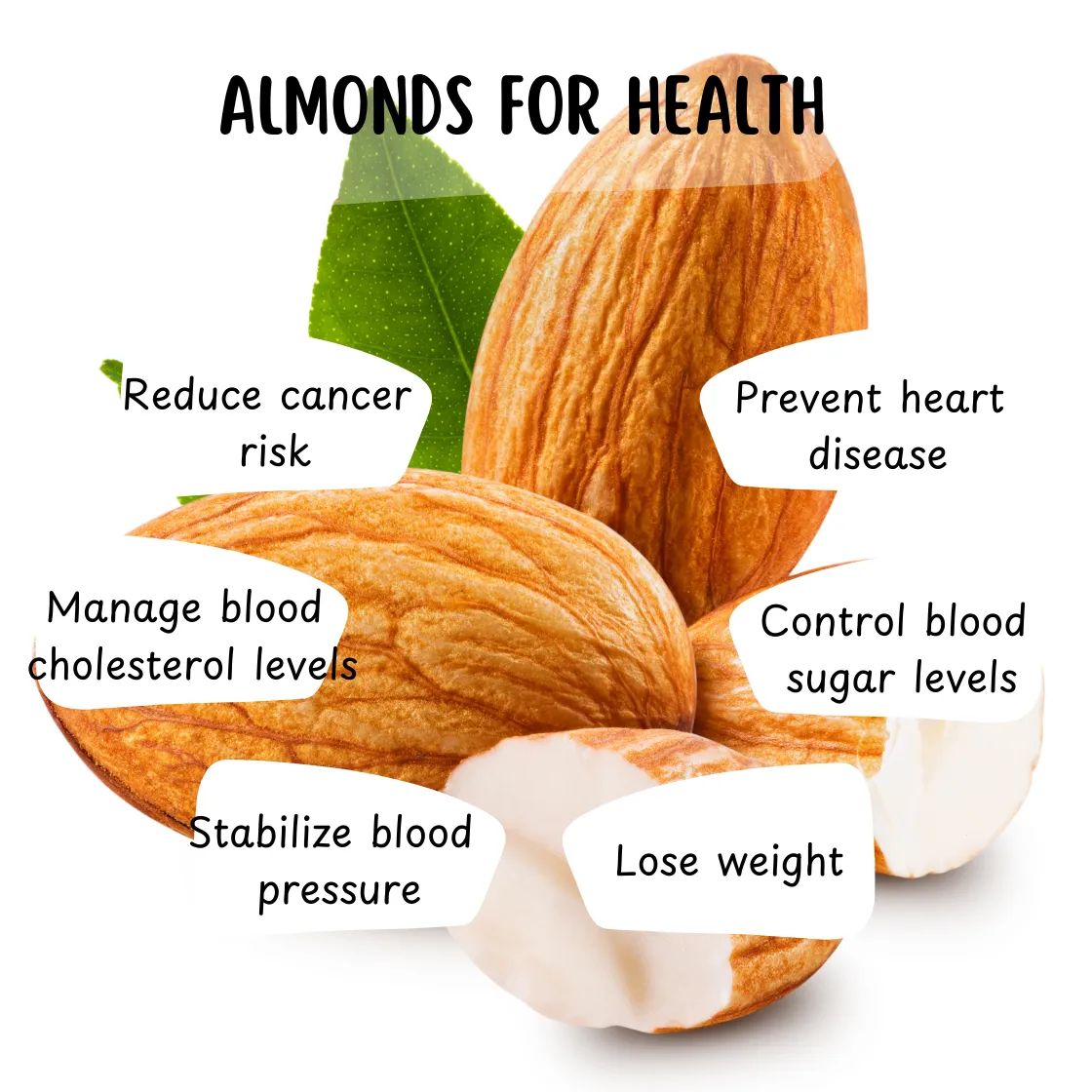
Almonds are packed with healthy fats, protein, and fiber, making them an excellent snack for maintaining energy levels and brain function.
Why You Need Them:
- Supports heart health
- Regulates blood sugar levels
- Enhances brain function
How to Enjoy: Eat them raw, blend into almond butter, or toss into a trail mix.
6. Quinoa: The Protein-Packed Supergrain
Quinoa is a gluten-free grain that’s rich in protein, fiber, and essential amino acids. It’s perfect for muscle growth and sustained energy.
Why You Need It:
- Aids digestion and gut health
- Helps balance blood sugar
- A complete protein source
How to Enjoy: Use it as a base for salads, mix into soups, or serve as a rice alternative.

7. Greek Yogurt: Your Gut’s Best Friend
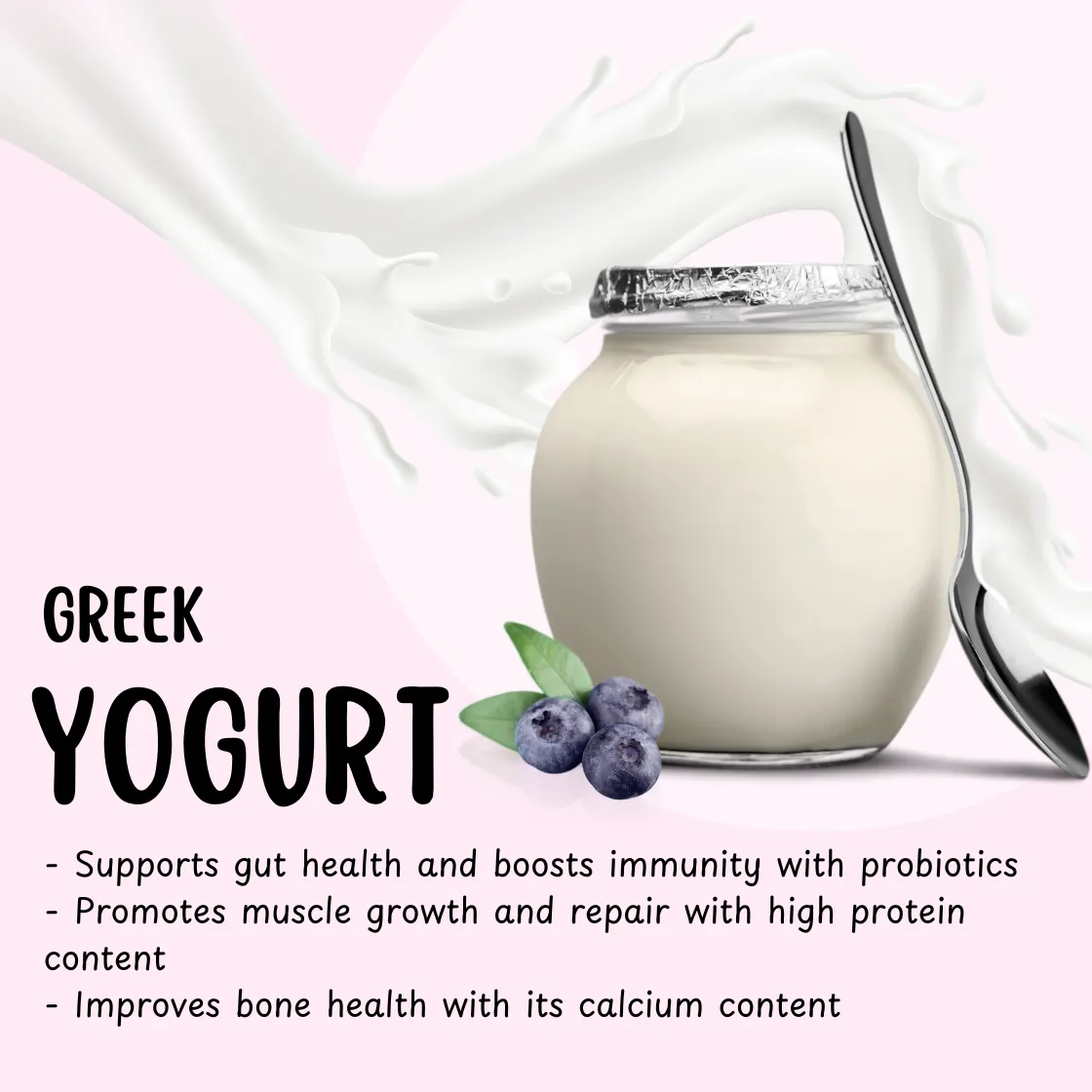
Greek yogurt is a probiotic-rich food that supports digestion, gut health, and immunity. It’s also high in protein, making it great for muscle repair.
Why You Need It:
- Strengthens the immune system
- Aids digestion with probiotics
- Supports strong bones with calcium
How to Enjoy: Enjoy it plain, add honey and fruit, or use it in smoothies.
8. Sweet Potatoes: The Nutrient-Rich Comfort Food
Sweet potatoes are loaded with vitamin A, fiber, and antioxidants, making them excellent for skin health and digestion.
Why You Need Them:
- Enhances skin health
- Provides long-lasting energy
- Supports gut health
How to Enjoy: Roast, mash, or bake them as fries!

9. Turmeric: The Golden Healing Spice
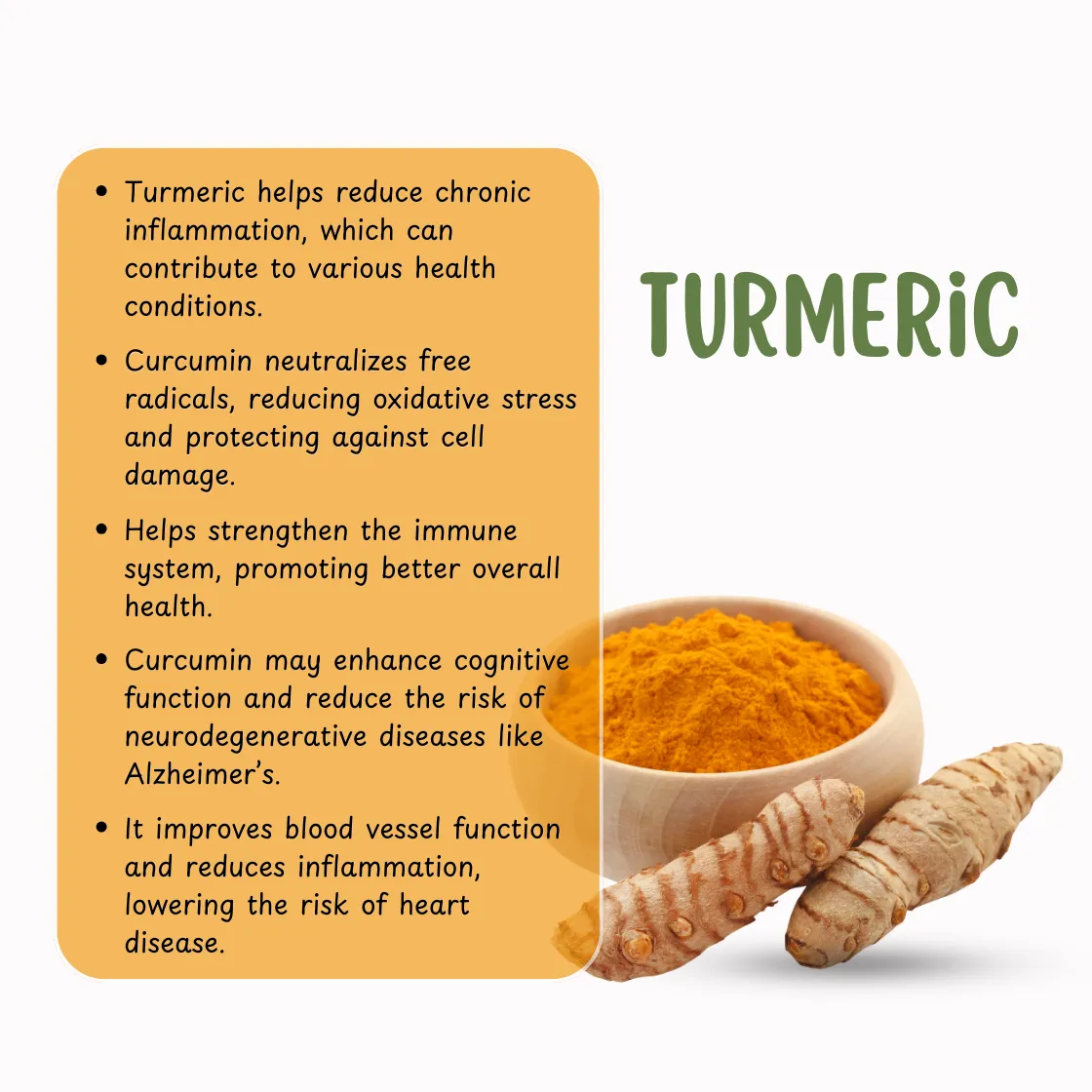
Turmeric is famous for its anti-inflammatory and antioxidant properties, thanks to its active compound, curcumin.
Why You Need It:
- Reduces inflammation and joint pain
- Enhances brain function and memory
- Strengthens the immune system
How to Enjoy: Add it to soups, curries, or golden milk.
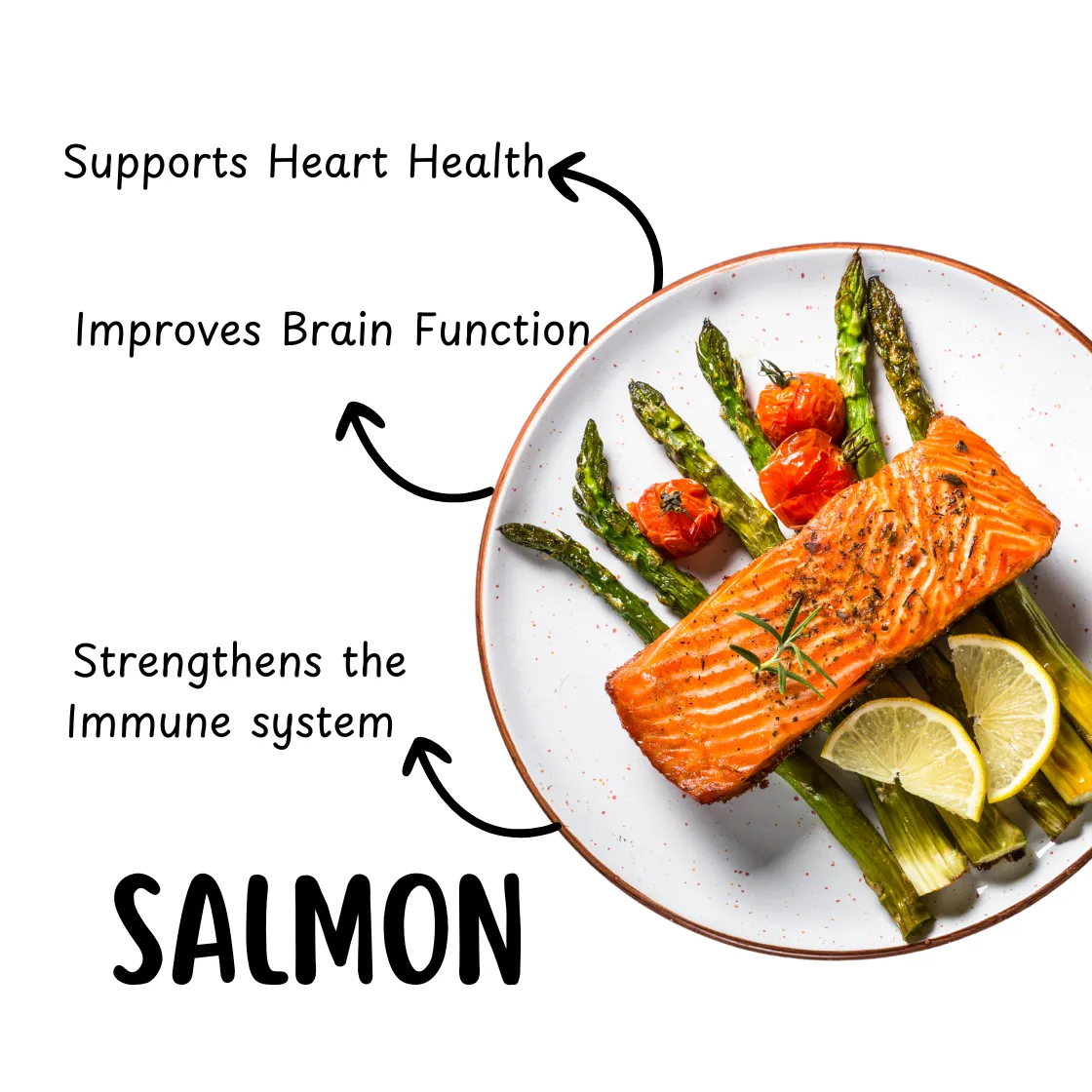
10. Salmon: The Ultimate Omega-3 Source
Salmon is a fatty fish rich in omega-3 fatty acids, protein, and vitamin D, all of which are essential for brain and heart health.
Why You Need It:
- Supports heart health
- Improves brain function
- Strengthens the immune system
How to Enjoy: Grill, bake, or pan-sear it with lemon and herbs.
Conclusion:
Incorporating these 10 superfoods into your diet can transform your health and well-being. Whether you mix them into smoothies, salads, or snacks, these nutrient-rich foods will help you feel stronger, healthier, and more energized!
Start making these simple swaps today and feel the difference in your body!

The Ultimate Guide to Healthy Eating: Everything You Need to Know
Introduction
In today’s fast-paced world, maintaining a healthy diet is more important than ever. With the abundance of processed foods and hectic schedules, making nutritious choices can seem overwhelming. However, fueling your body with the right foods can improve energy levels, mental clarity, skin health, and overall well-being.
This guide will walk you through essential tips for healthy eating, helping you make smarter food choices and cultivate a balanced lifestyle.
What Is Healthy Eating?

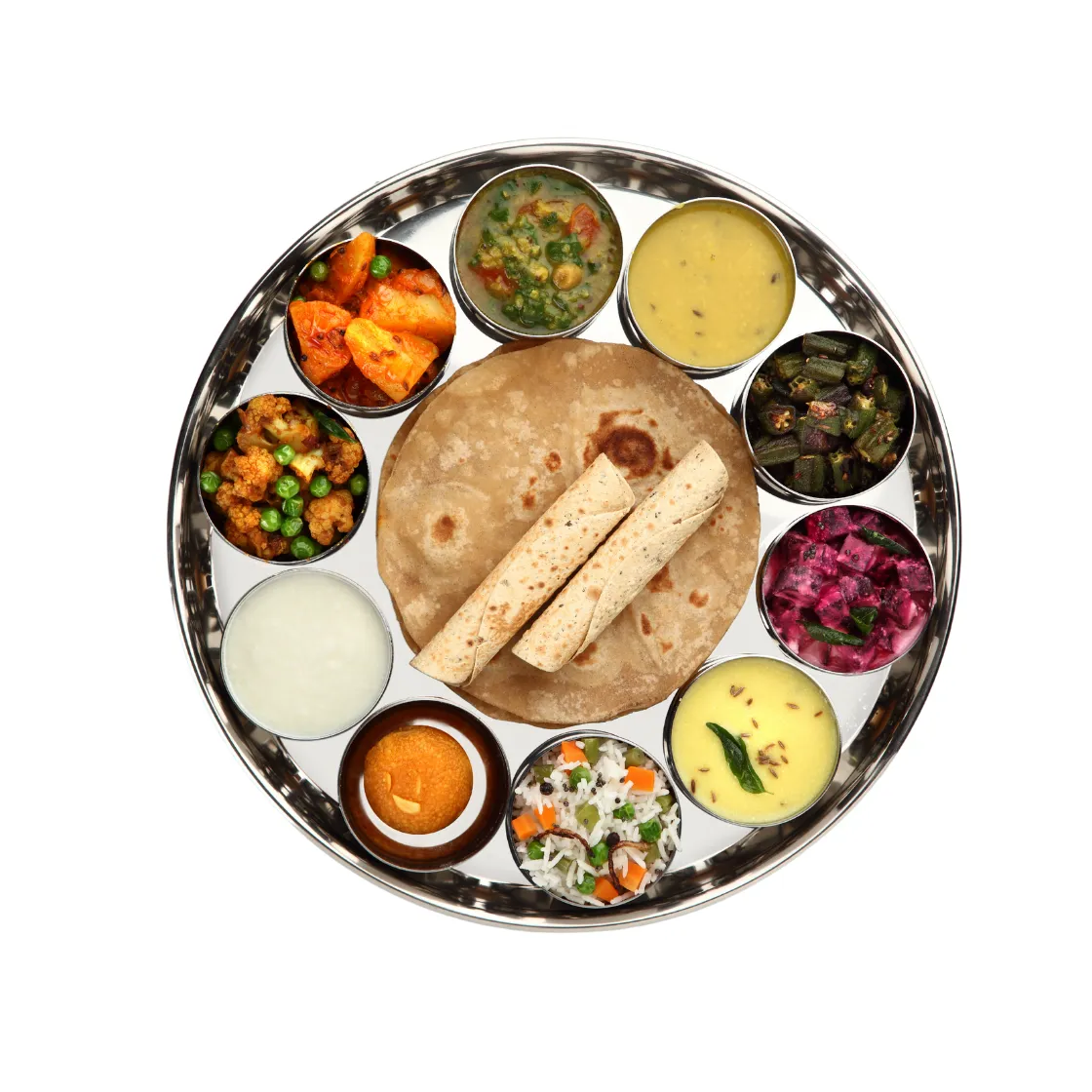
Healthy eating is about consuming a variety of nutrient-dense foods that provide your body with the essential elements it needs to function optimally. These include:
- Macronutrients: Carbohydrates, proteins, and healthy fats.
- Micronutrients: Essential vitamins and minerals.
- Hydration: Water, which plays a vital role in digestion, metabolism, and overall health.
A well-balanced diet ensures you receive the right mix of these nutrients while avoiding excessive amounts of added sugars, unhealthy fats, and sodium.
1. Fill Your Plate with Nutrient-Dense Foods
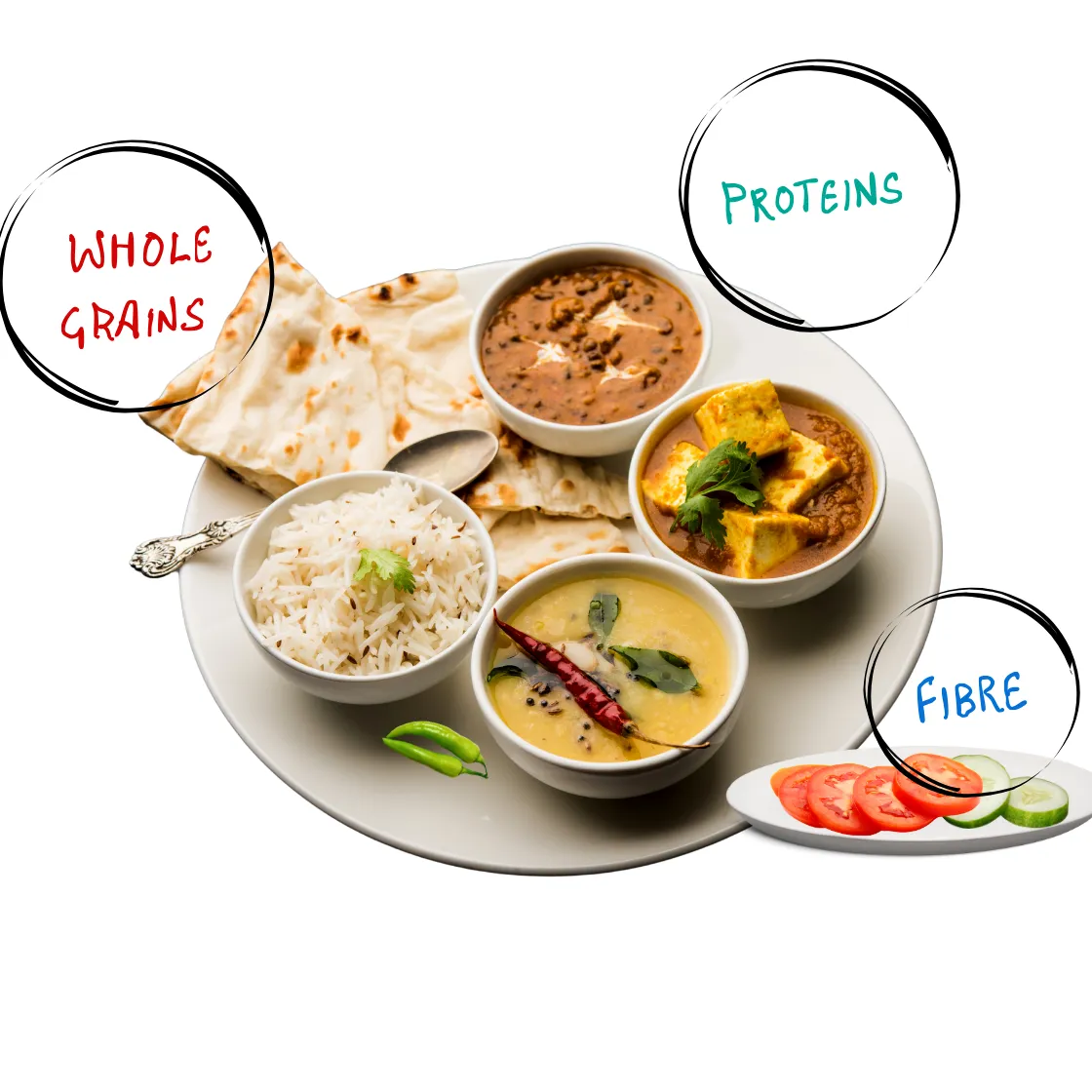
A variety of whole, unprocessed foods should be the foundation of your diet. Each food group has unique benefits:
- Fruits & Vegetables: High in fiber, antioxidants, and essential vitamins, they help strengthen the immune system and prevent chronic diseases.
- Whole Grains: Options like quinoa, brown rice, and oats provide long-lasting energy and improve digestive health.
- Proteins: Lean meats, fish, eggs, legumes, and plant-based proteins like tofu support muscle growth and repair.
- Healthy Fats: Avocados, nuts, seeds, and olive oil contribute to brain function and heart health.
2. Watch Your Portion Sizes
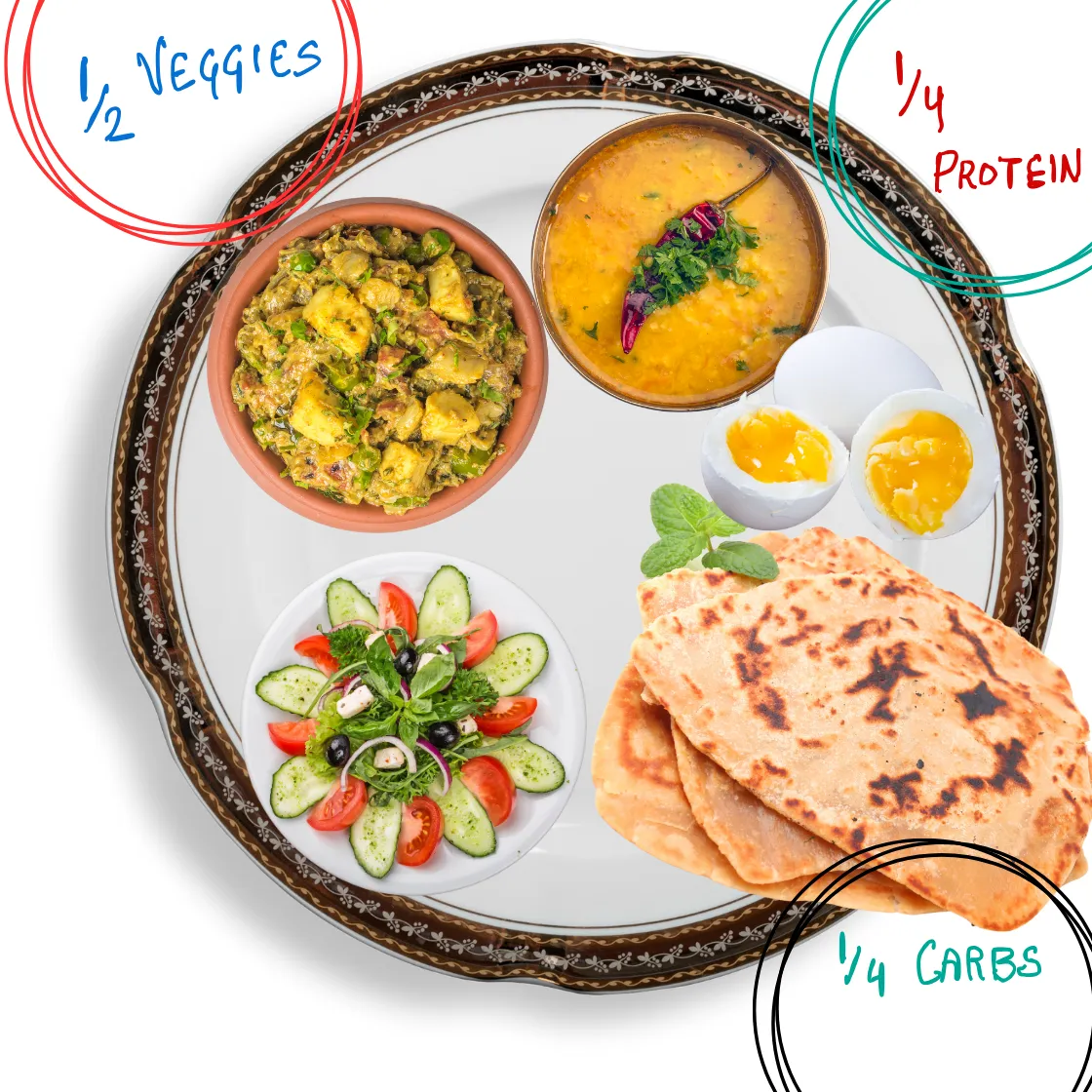
Even healthy foods can contribute to weight gain if eaten in excess. Here are some practical portion control tips:
- Use smaller plates to naturally reduce portion sizes.
- Listen to your body’s hunger cues instead of eating out of habit.
- Avoid eating directly from large packages to prevent overeating.
3. Stay Hydrated
Water plays a crucial role in digestion, detoxification, and body temperature regulation. Aim to drink at least eight glasses (2 liters) of water per day—more if you’re physically active or live in a hot climate.
Other hydrating options include:
- Herbal teas
- Infused water with fruits and herbs
- Coconut water (in moderation)

4. Reduce Processed Foods and Sugary Drinks

Processed foods often contain unhealthy fats, added sugars, and preservatives that can harm your health over time. Try to minimize:
- Sugary snacks and sodas
- Fast food and fried foods
- Packaged meals with artificial ingredients
Instead, choose whole, natural foods whenever possible.
5. Plan Your Meals in Advance
Meal planning is an excellent way to stay on track and make healthier food choices. Benefits include:
- Reducing last-minute unhealthy food choices
- Ensuring a well-balanced diet
- Saving time and reducing stress during busy weekdays
Consider preparing meals in bulk and storing them in portioned containers for easy access.

6. Practice Mindful Eating

Eating with awareness can significantly improve digestion and prevent overeating. Try these simple techniques:
- Chew slowly and savor each bite.
- Eliminate distractions like phones or TV while eating.
Stop eating when you feel satisfied, not overly full.
7. Listen to Your Body’s Signals
Everyone’s nutritional needs are unique. Pay attention to how different foods affect you:
- If a food makes you feel sluggish or bloated, consider reducing or eliminating it.
- If you feel energized and satisfied, incorporate more of that food into your diet.
Tuning in to your body’s cues helps you make healthier choices that support your overall well-being.
Conclusion:
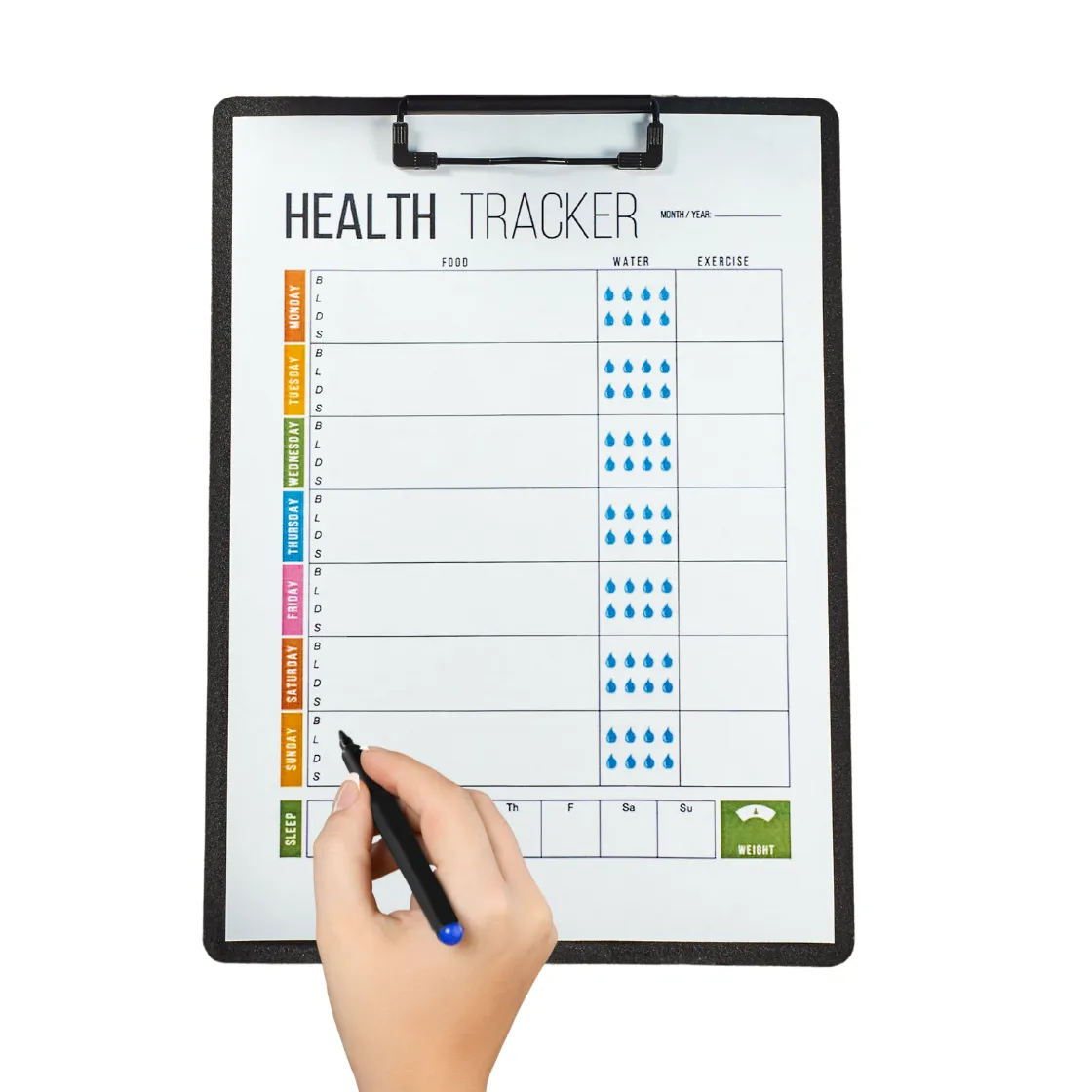
Healthy eating isn’t about perfection—it’s about making gradual, sustainable changes that improve your well-being over time. By incorporating these habits into your daily routine, you’ll feel more energized, improve your health, and enjoy food in a whole new way.
Start small, stay consistent, and celebrate your progress along the way!
