Intermittent Fasting Benefits: Is It the Right Choice for You?
Introduction
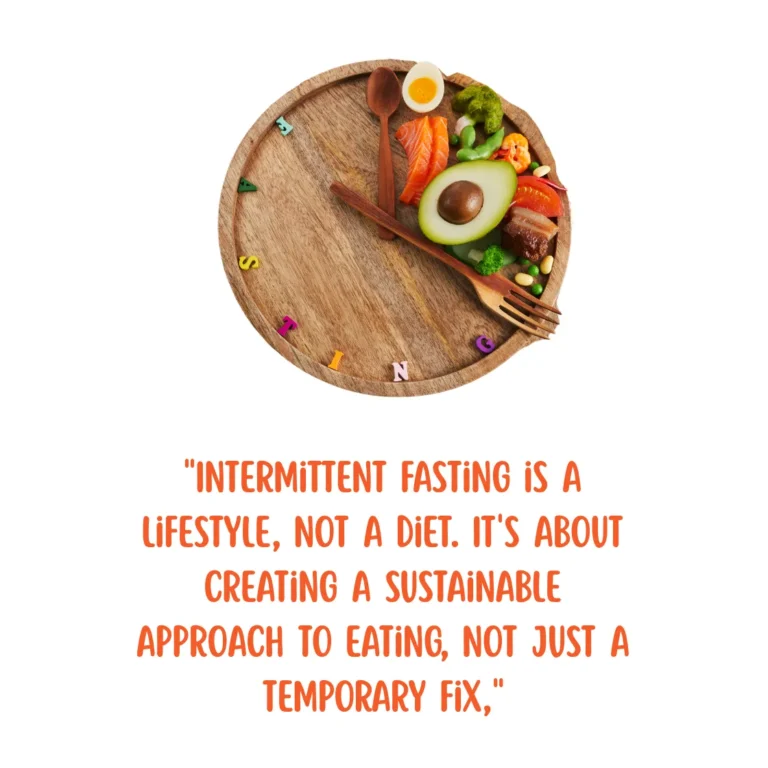
Intermittent fasting benefits have gained major attention in the health and wellness world, offering promising results for weight loss, focus, and metabolism. More than just another diet trend, IF is a structured eating pattern that cycles between periods of fasting and eating. Advocates praise its benefits—weight loss, improved metabolism, enhanced mental clarity, and even longevity. But is it the right approach for you? Let’s dive into the details, explore the benefits and drawbacks, and help you determine if intermittent fasting aligns with your health goals.
What Is Intermittent Fasting?
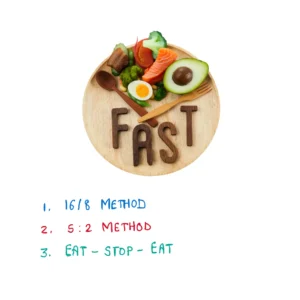
Unlike conventional diets that dictate what you eat, intermittent fasting focuses on when you eat. It structures your eating schedule to allow extended periods of fasting, encouraging the body to burn stored fat for energy. Here are the most popular IF methods:
- 16/8 Method – Fast for 16 hours and eat within an 8-hour window (e.g., 12 PM – 8 PM).
- 5:2 Method – Eat normally for five days, then limit calories to 500-600 on two non-consecutive days.
Eat-Stop-Eat – Fast for 24 hours once or twice per week.
The Benefits of Intermittent Fasting
- Supports Weight Loss and Fat Burning
Fasting periods limit calorie intake naturally while promoting fat burning. Your body switches from using glucose to burning stored fat for energy, aiding weight loss.
- Boosts Metabolic Health
Intermittent fasting enhances insulin sensitivity, reduces inflammation, and stabilizes blood sugar levels. It may also lower the risk of type 2 diabetes and heart disease.
- Enhances Mental Clarity and Focus
Many IF practitioners report increased focus and alertness. Fasting boosts norepinephrine, a neurotransmitter linked to mental sharpness and productivity.
- Simplifies Eating Patterns
Unlike restrictive diets, IF is straightforward—no calorie counting, no meal prepping stress. Just follow your eating window.
- Encourages Cellular Repair and Longevity
Fasting activates autophagy, a process where the body removes damaged cells, which may slow aging and promote longevity.
Potential Drawbacks of Intermittent Fasting
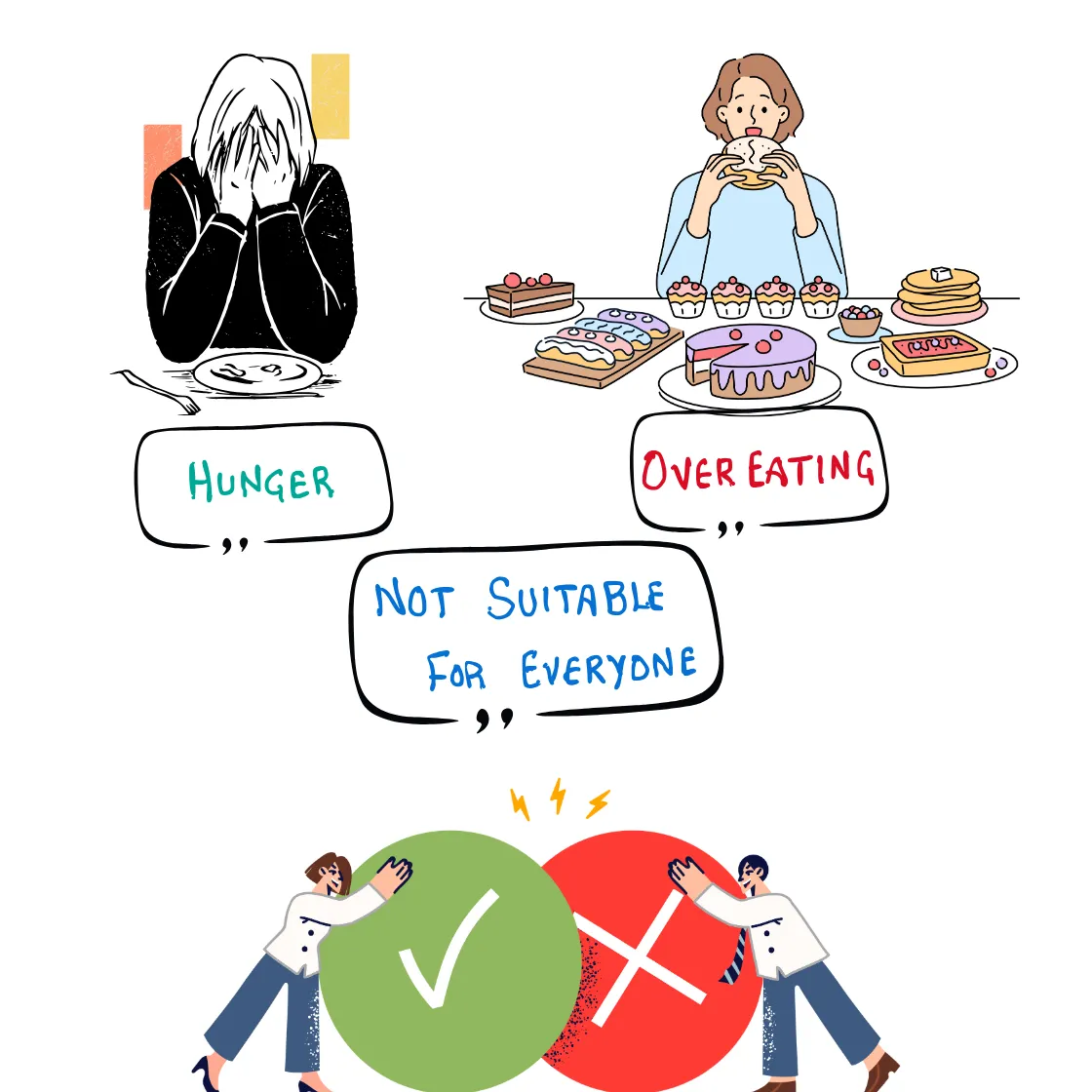
- Hunger and Irritability
The adjustment phase can be tough. Hunger pangs, fatigue, and mood swings are common as your body adapts.
- Social and Lifestyle Challenges
Fasting may interfere with social meals, family gatherings, or work schedules, making consistency difficult.
- Risk of Overeating
Some people compensate for fasting periods by overeating during their eating windows, negating the benefits.
- Not Suitable for Everyone
People with certain conditions—such as eating disorders, diabetes, low blood pressure, or those pregnant/breastfeeding—should consult a healthcare provider before trying IF.
Is Intermittent Fasting Right for You?
To decide if IF aligns with your health goals, ask yourself these key questions:
✅ Are you looking for weight loss?
IF can help, but mindful eating during eating windows is crucial.
✅ Can you handle initial hunger and discomfort?
If fasting negatively impacts your daily life, it might not be the best choice.
✅ Do you have any pre-existing health conditions?
Always check with a doctor before making dietary changes.
✅ Can you commit to a structured eating schedule?
If your lifestyle allows consistent fasting, IF may be a good fit.
Conclusion:
Intermittent fasting offers numerous health benefits, from weight management to metabolic improvements and mental clarity. However, it’s not a one-size-fits-all approach. Before jumping in, assess your lifestyle, health status, and ability to maintain consistency. If in doubt, consult a healthcare professional to ensure IF is safe and effective for your individual needs.